 Maldives Compass
Art and Craftsmanship
Explore Maldivian art and craftsmanship including lacquerwork, mat weaving, coral stone carving, calligraphy, woodcarving, and the modern Maldivian art scene.
From the rich fish market of Male to island corner stores and traditional craft stalls
The Male Fish Market, known locally as Maadhelu Bazaar, is one of the most colourful and authentic experiences in the Maldivian capital. Located along the northern waterfront of Male, the market comes alive each afternoon as fishing boats return with their catch and vendors lay out the day's haul on long concrete slabs. The centrepiece is always tuna, the foundation of the Maldivian diet, but you will also find reef fish, grouper, wahoo, mahi-mahi, and other species displayed in gleaming rows.
The atmosphere at the fish market is fast-paced and social. Fishermen negotiate prices with buyers, skilled workers fillet fish with practised speed, and locals fill bags with the freshest catch for their evening meal. The market is busiest in the late afternoon, roughly between 3 and 6 pm, when the boats have docked and the buying frenzy is at its peak. Prices fluctuate based on the day's catch, the season, and simple supply and demand.
For visitors, the fish market offers a window into an aspect of Maldivian life that is entirely different from the resort experience. The sights, sounds, and smells are intensely real, and the energy of the place is infectious. Photography is generally welcome, though it is polite to ask before photographing individuals. The fish market is within easy walking distance of the main harbour and can be combined with a visit to the nearby local market for a full morning of exploration.
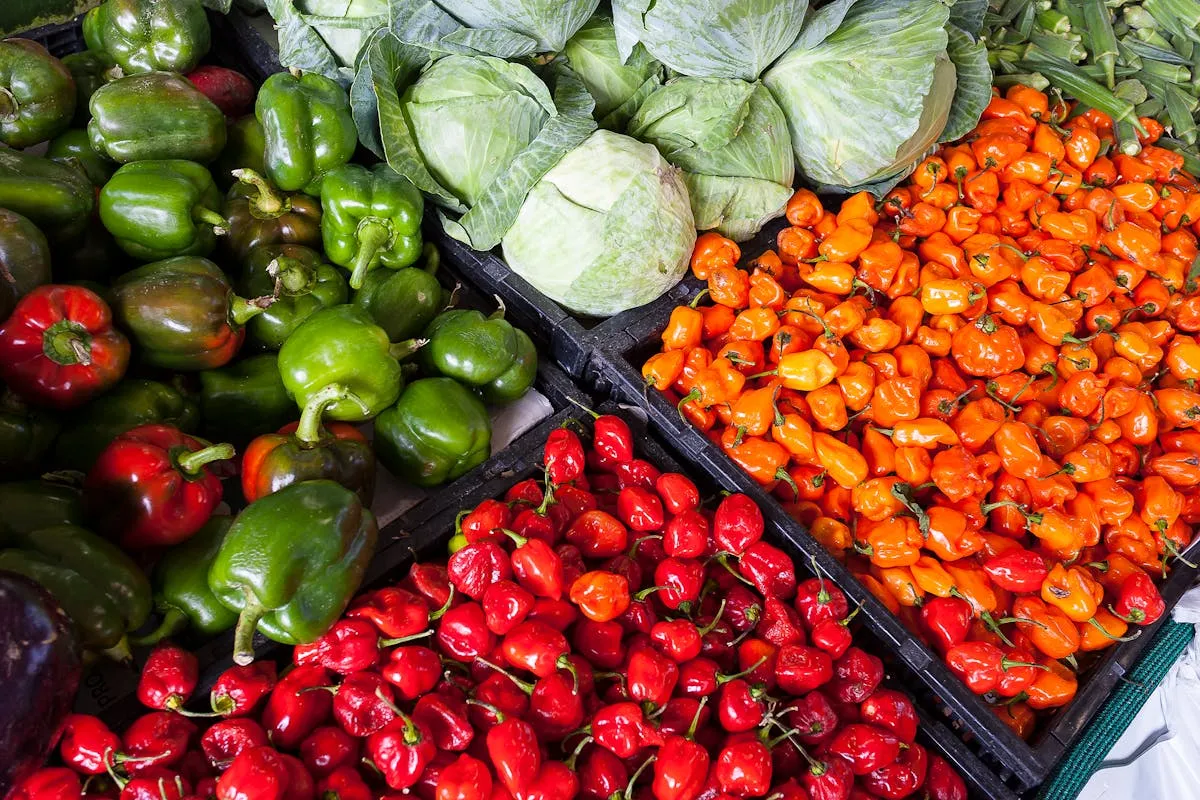
Adjacent to the fish market, the Male local market is a covered bazaar where vendors sell fresh produce, dried fish, spices, and a wide range of local goods. The market is a sensory experience: stalls are piled high with bananas, papayas, mangoes, breadfruit, and coconuts, while the air carries the aroma of dried fish, curry leaves, and pandan. Much of the fresh produce is brought in from the agricultural islands or imported from Sri Lanka and India.
The local market is where Maldivians shop for the ingredients that form the basis of their cuisine. Dried fish in various forms, from whole smoked tuna to shredded rihaakuru paste, occupies a prominent place. Bags of rice, flour, and spices are stacked alongside bottles of coconut oil and packets of curry powder. For visitors interested in Maldivian cooking, the local market is an excellent place to pick up authentic ingredients and to see what goes into the dishes they have been enjoying.
Souvenir stalls within and around the local market sell a range of Maldivian crafts, including miniature dhoni models, lacquerwork, woven mats, shell jewellery, and T-shirts. The quality and authenticity of these items varies, so it pays to browse and compare before buying. The market area also includes small shops selling local clothing, household goods, and electronics.
On inhabited islands outside Male, the shopping experience is markedly different. Most islands have a handful of small shops, often run from the front room of a family home or from a simple concrete structure on the main road. These shops stock a basic range of goods: tinned food, rice, flour, snacks, soft drinks, toiletries, and household essentials. The selection is limited compared to Male, and prices can be higher due to the cost of transporting goods to remote islands.
Island shops are social hubs as much as retail outlets. Islanders drop by not only to buy supplies but also to chat, catch up on news, and socialise. The shopkeeper is often a well-connected member of the community, and the shop itself serves as an informal meeting point. On very small islands, there may be only one or two shops, and their opening hours can be irregular, particularly during prayer times and Ramadan.
For visitors staying on local islands as part of the growing guesthouse tourism sector, island shops offer a chance to pick up basic supplies, cold drinks, and snacks. Some island shops also stock simple souvenirs. Managing expectations is important: these are not convenience stores in the urban sense, and the range of goods is determined by what the latest supply boat brought in.
The Maldivian economy has historically been based on two things: fish and coconuts. While the modern economy is far more diverse, these two products remain central to local commerce. Fish, in its many processed forms, is still the single most important commodity traded between islands, whether as fresh catch, dried strips, smoked blocks, or the thick fish paste known as rihaakuru.
Coconut products are equally ubiquitous. Fresh coconuts, coconut milk, coconut oil, coir rope, and palm frond weaving materials all feature in local trade. On agricultural islands, bananas, breadfruit, taro, and other tropical produce are grown for local consumption and for sale to Male. The inter-island trade in agricultural goods, transported by dhoni, has been a feature of Maldivian economic life for centuries.
Modern consumer goods, from electronics to clothing to processed foods, are imported and distributed through Male. The capital functions as the commercial hub through which virtually all imported goods pass before being redistributed to the atolls. This centralisation of commerce is one of the factors driving migration to Male, as islanders seek access to the wider range of goods and services available in the capital.
Visitors looking for meaningful souvenirs from the Maldives have several options beyond the generic tourist shops. The finest Maldivian souvenirs are handcrafted items that reflect the islands' artistic traditions. Lacquerwork pieces from Thulhaadhoo, woven thundu kunaa mats from Gadhdhoo, hand-carved miniature dhonis, and traditional jewellery all make distinctive gifts that carry a genuine connection to Maldivian culture.
In Male, the best hunting grounds for souvenirs are the shops along Chaandhanee Magu and Majeedhee Magu, as well as the stalls in and around the local market. Prices in Male are generally lower than at resort gift shops, and the selection is broader. Bargaining is not a strong tradition in the Maldives, though polite negotiation is acceptable in market settings, particularly when buying multiple items.
Resort gift shops offer convenience but typically stock a limited range of items at premium prices. Some resorts curate their gift shops thoughtfully, featuring genuine local crafts alongside branded merchandise. The most rewarding souvenir shopping experiences often come from visiting inhabited islands, where you can meet the craftspeople, watch them work, and purchase directly. This supports the local economy in a meaningful way and provides a story to go with the souvenir.
The contrast between shopping at a resort and shopping in Male or on a local island is stark. Resorts operate in a controlled, curated environment where everything from the selection of goods to the pricing reflects the luxury positioning of the property. You will find international brands, spa products, high-end beachwear, and carefully selected souvenirs, but you will not find the bustle, the variety, or the authenticity of a local market.
For visitors who want to experience local shopping, a day trip to Male is the easiest option. Many resorts offer guided excursions to the capital that include visits to the fish market, the local market, and the main shopping streets. Independent visitors can also take a ferry or speedboat to Male and explore on their own, combining market visits with a tour of the historic sites and the National Museum.
On local islands with guesthouse tourism, shopping opportunities are more limited but often more personal. Small craft shops, home-based businesses selling snacks and sweets, and informal arrangements where visitors can purchase directly from makers all provide alternatives to the resort model. These transactions, small as they are, help distribute the benefits of tourism beyond the resort islands and into the broader community, supporting island livelihoods in a direct and tangible way.