 Maldives Compass
Everyday Life in the Maldives
Discover everyday life in the Maldives - daily routines on local islands, the importance of fishing and family, community bonds, afternoon tea culture, and how island communities thrive.
How life is organised, sustained, and celebrated on the scattered islands of the archipelago
Each inhabited island in the Maldives is governed by an elected island council, a system of local governance that was formalised under the Decentralisation Act of 2010. Before this, islands were administered by appointed island chiefs, known as katheeb, who served as the representatives of the central government. The shift to elected councils gave communities a greater say in their own affairs, from managing budgets and infrastructure to planning community events.
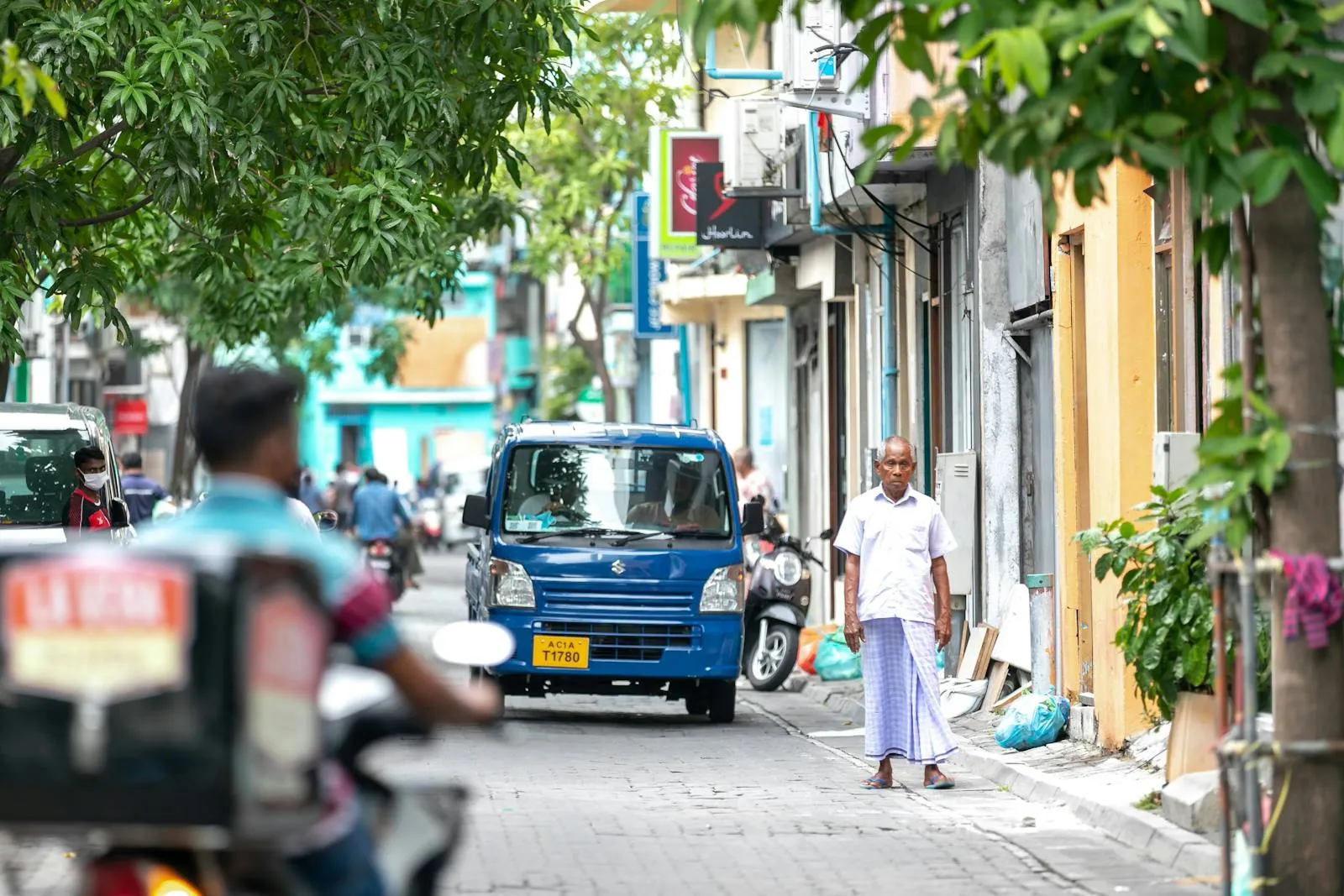
Island councils typically consist of between five and seven members, depending on the population of the island. Council members serve five-year terms and are responsible for a wide range of local matters, including waste management, harbour maintenance, land allocation, and the upkeep of public spaces. The council president acts as the primary liaison between the island and the atoll council, which in turn coordinates with the national government in Male.
Despite the formal structures, decision-making on many islands retains an informal, community-driven character. Important matters are often discussed in open meetings, and the opinions of respected elders carry significant weight. This blend of formal governance and traditional consensus-building reflects the unique social fabric of Maldivian island life.
On smaller islands, where populations may number only a few hundred, community decision-making can feel almost familial. Issues that affect the whole island, such as the construction of a new harbour, the scheduling of communal fishing trips, or preparations for festivals, are discussed openly. While the island council has formal authority, in practice many decisions emerge from conversations held in the joali, the open-air sitting area found outside Maldivian homes, or under the shade of large banyan trees.
Communal labour, known locally as community work, is a cornerstone of island life. When a major task needs completing, whether clearing a beach, repairing a sea wall, or preparing for an Eid celebration, the entire community pitches in. These collective efforts reinforce social bonds and ensure that even islands with limited resources can maintain a functioning infrastructure. The tradition of shared labour dates back centuries, rooted in the practical necessity of survival on small, isolated islands.
Women play an essential role in community organisation, particularly in the preparation of food for communal events and in the management of household economies. In many islands, women also run small businesses from home, producing crafts, preparing hedhikaa snacks, or managing guesthouses that cater to the growing local tourism industry.
The mosque is the spiritual and social heart of every Maldivian island. Even the smallest inhabited islands have at least one mosque, and larger islands may have several. The call to prayer, broadcast five times daily, provides the rhythm around which daily life is organised. Shops close briefly for prayer times, fishermen pause their work, and the community gathers.
Beyond its religious function, the mosque serves as a meeting place and a centre of learning. Traditionally, the imam held a role that extended well beyond leading prayers; he was a teacher, a mediator of disputes, and a keeper of community records. While the formal education system has taken over many of these roles, the imam remains a respected figure, and religious observance continues to be central to community identity.
During Ramadan, the mosque becomes the focal point of community life more than ever. Taraweeh prayers draw the entire island together, and the shared experience of fasting and breaking fast reinforces the bonds between neighbours. The mosque is where Eid celebrations begin, with special prayers followed by feasting and festivities that spill out into the streets.
Although each island functions as a largely self-contained community, inter-island relationships are an important part of Maldivian social life. Marriage between people from different islands is common and creates family networks that span atolls. These ties are maintained through regular visits, facilitated by the ferry and speedboat services that connect neighbouring islands.
Historically, certain islands were known for specific skills or products, and inter-island trade was vital. Some islands specialised in boat-building, others in mat weaving or lacquerwork, and still others in fishing. This specialisation created a network of economic interdependence that bound the atolls together. While modern supply chains have reduced some of this specialisation, the cultural memory of each island's particular identity remains strong.
Atoll-level gatherings, sporting competitions, and bodu beru performances create opportunities for inter-island socialising. Football, in particular, is a passion that brings islands together in friendly (and sometimes fierce) rivalry. Inter-island football tournaments are major events, drawing spectators from across the atoll and generating a festive atmosphere.
One of the most significant social shifts in the Maldives over the past several decades has been the migration of islanders to Male, the capital. Driven by the concentration of employment, education, and healthcare services, this migration has swelled Male's population to over 200,000 people on an island of just a few square kilometres, making it one of the most densely populated cities in the world.
The effects on outer island communities have been profound. Many smaller islands have seen their populations decline, particularly among young people. Schools struggle to maintain student numbers, and some islands have lost the critical mass needed to sustain basic services. The government has responded with population consolidation policies, encouraging people from very small islands to relocate to larger regional centres, but these initiatives are often met with resistance from communities deeply attached to their ancestral islands.
Despite the physical distance, migrants to Male maintain strong ties to their home islands. Family connections, property on the home island, and a deep sense of belonging draw people back for holidays, festivals, and community events. The development of Hulhumale, a reclaimed island adjacent to Male, has eased some of the capital's housing pressure and offered a more planned urban environment, but the pull of the home island remains a defining feature of Maldivian identity.
Community gatherings are the lifeblood of island society. The two Eid celebrations are the highlights of the social calendar, marked by communal feasts, bodu beru drumming, traditional games, and visiting between households. Preparation for Eid begins days in advance, with homes cleaned and decorated, special foods prepared, and new clothes readied.
Beyond religious occasions, islands celebrate events such as weddings, which are multi-day affairs involving the entire community. A wedding on a small island is not a private event but a communal celebration, with neighbours contributing food, labour, and entertainment. Traditional wedding customs vary from atoll to atoll, adding to the rich blend of local traditions across the archipelago.
In recent years, islands involved in local tourism have also begun organising cultural events for visitors, including guided tours, cooking classes, and traditional music performances. These events serve a dual purpose: they provide income for the community and they help preserve traditions that might otherwise fade as younger generations gravitate toward modern lifestyles.