 Maldives Compass
Festivals and Celebrations
Discover the festivals and celebrations of the Maldives, from Eid al-Fitr and Eid al-Adha to National Day, bodu beru performances, and unique island traditions.
Understanding the holy month and what it means for visitors to this Islamic island nation
Ramadan, the ninth month of the Islamic calendar, is the holiest period in the Maldivian year. As a 100 percent Muslim nation, the Maldives observes Ramadan with deep devotion and communal commitment. For the entire month, Muslims fast from dawn to sunset, abstaining from food, drink, and smoking during daylight hours. The fast is not merely a physical discipline but a spiritual practice intended to cultivate empathy, gratitude, and closeness to God.
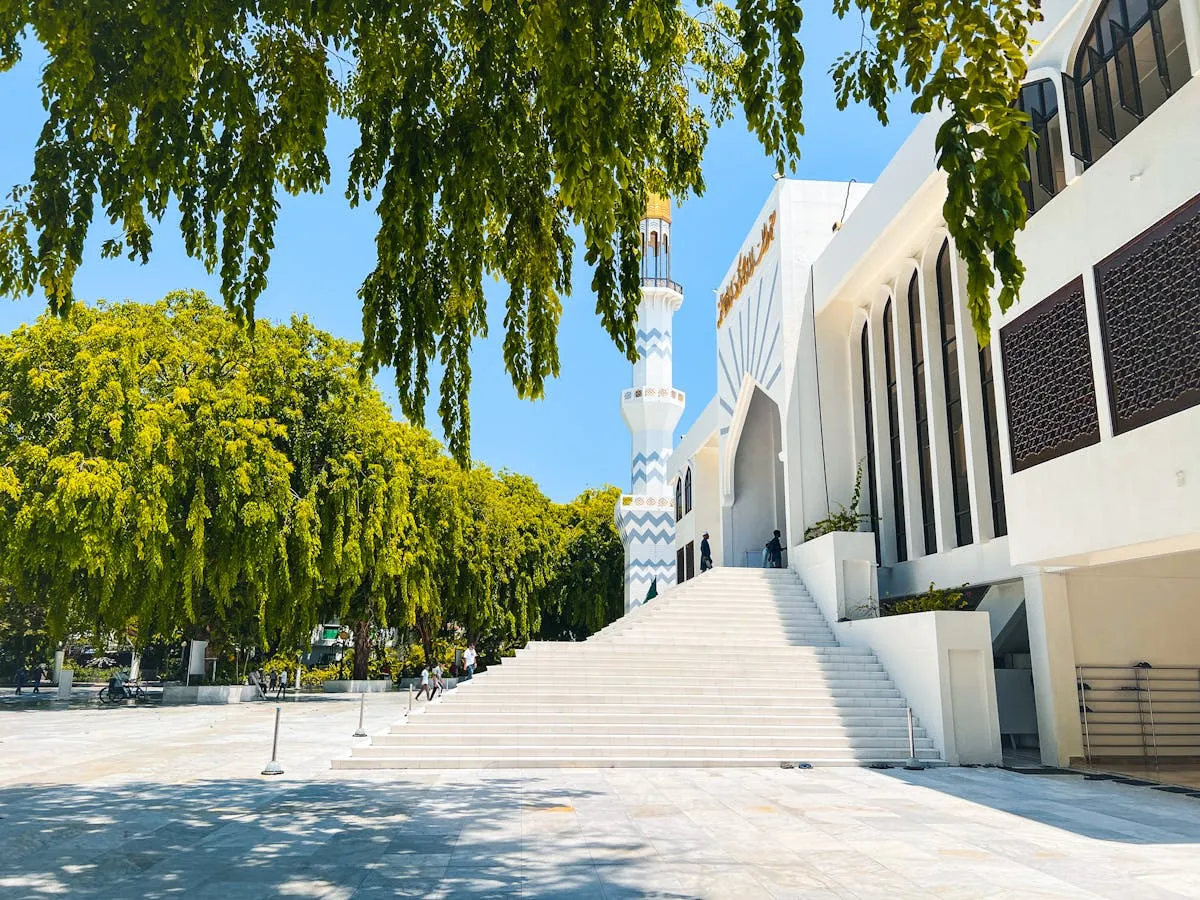
In the Maldives, Ramadan transforms the rhythm of daily life. Work hours are shortened, shops adjust their opening times, and the pace of the day shifts. Mornings start earlier than usual, as families rise before dawn for the pre-fast meal known as suhoor. The hours of the fast are spent in prayer, Quran recitation, and quiet activity. As sunset approaches, the atmosphere changes: anticipation builds for iftar, the meal that breaks the fast, and the community prepares to gather.
The spiritual dimension of Ramadan is paramount. Mosques are fuller than at any other time of year, and additional prayers, known as taraweeh, are performed each evening. Many Maldivians aim to read the entire Quran during the month, and acts of charity and kindness are emphasised. Religious observance during Ramadan is considered especially meritorious, and the month is viewed as a time of personal renewal and community solidarity.
For visitors to the Maldives, the impact of Ramadan depends largely on where you are staying. At resorts, which operate on separate islands with their own facilities, Ramadan has virtually no effect on guest services. Restaurants, bars, pools, spas, and all other amenities continue to operate normally throughout the month. Resort staff who are fasting manage their duties professionally, and guests are unlikely to notice any change in service quality.
On local islands, however, the situation is quite different. Restaurants and cafes may be closed during daylight hours, or they may serve food only in enclosed areas away from public view. Guesthouses typically make arrangements to feed their guests during fasting hours, but dining options are more limited than usual. It is important to discuss meal arrangements with your guesthouse in advance if you are visiting a local island during Ramadan.
In Male, most restaurants close during fasting hours, though some tourist-oriented establishments may remain open. Markets and shops operate on reduced schedules, and government offices have shorter working hours. The overall atmosphere in Male during Ramadan is quieter during the day and more lively after sunset, when the city comes alive for iftar and evening socialising. Understanding and respecting these changes is part of being a considerate visitor, and more guidance on appropriate behaviour can be found on our local etiquette page.
The Maldivian fasting day begins with suhoor, the pre-dawn meal eaten before the fajr prayer. Suhoor is typically a substantial meal designed to sustain the faster through the day, and may include rice, fish curry, mas huni, roshi flatbread, and plenty of water. Families rise in the darkness, eat together, and then pray before the first light of dawn signals the start of the fast.
During the daylight hours, the fast is strictly observed. No food or drink is consumed, and smoking is prohibited. The tropical heat of the Maldives makes the fast physically demanding, particularly for those engaged in outdoor work such as fishing or construction. Despite the difficulty, the fast is observed with unusual dedication across all segments of society, from schoolchildren to the elderly.
The daily rhythm shifts during Ramadan. Mornings may be quieter than usual, as people conserve energy during the fasting hours. Work schedules are often compressed, with government offices and many businesses closing earlier in the afternoon. The late afternoon is a time of preparation: kitchens become busy as families prepare the iftar meal, and the aroma of cooking fills the island air. The final hour before sunset is filled with anticipation, as families and neighbours prepare to gather and break the fast together.
Iftar, the meal that breaks the fast at sunset, is a cherished daily event during Ramadan. The fast is traditionally broken with dates and water, following the practice of the Prophet Muhammad, before the full meal is served. Iftar spreads in the Maldives are generous and varied, featuring a wider range of dishes than a typical everyday meal. It is a time for families to gather, and for neighbours to share food and company.
Special foods are associated with Ramadan in the Maldives. Hedhikaa, the short-eat snacks that are a staple of Maldivian cuisine, feature prominently at iftar. Bajiya (samosa-like pastries filled with fish and spices), gulha (fried fish balls), keemia (fish rolls), and various sweet treats are prepared in large quantities. Many of these snacks are time-consuming to make, and their preparation is a social activity in itself, with women in the family or neighbourhood working together.
Drinks are particularly important at iftar after a day without fluids. Fresh fruit juices, including watermelon, mango, and mixed fruit drinks, are common, along with sweet milky tea and kurumba (young coconut water). The meal often continues with rice, curry, and garudhiya, providing a full and satisfying end to the fast. Maldivian families take pride in the quality and variety of their iftar spread, and the month of Ramadan is arguably the most food-focused period in the Maldivian calendar despite being a month of fasting.
After iftar, Maldivians head to the mosque for isha (night) prayers and the special taraweeh prayers that are unique to Ramadan. Taraweeh prayers are long, consisting of multiple cycles of prayer during which portions of the Quran are recited. Over the course of the month, the entire Quran is read in taraweeh, making the prayers a communal recitation of the holy text.
The atmosphere after iftar is distinctly festive. Streets that were quiet during the day come alive with activity. Families stroll, children play, and cafes and tea shops fill with people socialising over street food and drinks. On island communities, the post-iftar hours have a warm, convivial atmosphere that is one of the most appealing aspects of Ramadan for both locals and observant visitors.
The last ten days of Ramadan are considered the most sacred, and many Maldivians intensify their prayers and devotions during this period. The Night of Power (Laylat al-Qadr), believed to fall within the last ten nights, is considered the holiest night of the year, and mosques are packed with worshippers seeking its blessings. The spiritual intensity of these final days builds toward the joyful release of Eid al-Fitr, the celebration that marks the end of Ramadan.
The sighting of the new moon at the end of Ramadan triggers an eruption of joy across the Maldives. Eid al-Fitr, known locally as Kuda Eid, is a three-day celebration that rewards the discipline of the fasting month with feasting, visiting, and communal happiness. Preparations begin days before the expected end of Ramadan, with homes cleaned, new clothes purchased, and food prepared in abundance.
On the morning of Eid, the entire community gathers for special prayers, followed by a day of visiting between households. Every home has a spread of food ready for visitors, and the custom is to eat a little at each house. Sweets and snacks flow freely, children receive gifts and new clothes, and the atmosphere is one of warmth and gratitude. Bodu beru performances, sports events, and community gatherings fill the days of Eid with entertainment and shared celebration.
For visitors who are fortunate enough to be on a local island during Eid, the experience is . The genuine warmth and hospitality of Maldivian communities shine brightest during this celebration, and visitors are often included in the festivities with generosity and goodwill. It is one of the most authentic and joyful cultural experiences the Maldives has to offer.
Visitors to the Maldives during Ramadan can show respect for the fasting community by following a few simple guidelines. On local islands and in Male, avoid eating, drinking, or smoking in public during daylight hours. Guesthouses and hotels will provide designated areas for guests to eat, and being discreet about food consumption is appreciated. Dress modestly, as is recommended at all times on local islands, and be patient with any changes to service hours or availability.
Showing interest in and respect for Ramadan traditions is warmly received. Asking questions about the fast, the food, and the customs demonstrates cultural curiosity rather than intrusion, and most Maldivians are happy to share their experiences. If invited to an iftar meal, accepting is a wonderful way to connect with local culture and to experience the communal generosity that defines the month.
At resorts, no special behaviour adjustments are necessary, as the resort environment is designed to be unaffected by Ramadan. However, being aware that resort staff may be fasting and showing appreciation for their service during what is physically demanding work is a thoughtful gesture. A visit during Ramadan, far from being inconvenient, can offer a deeper and more meaningful encounter with Maldivian culture than a visit at any other time of year. For more practical advice on visiting during Ramadan, see our best time to visit guide.