 Maldives Compass
Skipjack: The Everyday Fish
The Maldives is an ocean nation, and no fish matters more to its people than the skipjack tuna, known locally as "kandu mas." This fast-swimming species thrives in the warm Indian Ocean waters surrounding the archipelago, and for centuries it has been the primary source of protein for Maldivians. Skipjack tuna appears on the table at breakfast, lunch, and dinner in forms so varied that visitors are often astonished by the range of dishes a single species can produce.
Fresh skipjack is caught daily by fishermen across the atolls. When boats return to harbour in the afternoon, the day's catch is quickly divided: some fish head straight to kitchens for that evening's curry, others are sent to processing areas where they will be smoked, dried, or boiled into concentrated pastes. This efficient use of the entire catch reflects generations of island pragmatism - on small islands far from trade routes, nothing could be wasted, and every part of the tuna had to serve a purpose.
Valho Mas: Smoked and Dried Tuna
Perhaps the most iconic tuna product in the Maldives is "valho mas," sometimes called Maldive fish internationally. To make valho mas, skipjack tuna is first boiled, then smoked over coconut husk fires in a traditional smoking hut called a "dhunimas aari." The fish is smoked for several days until it becomes hard, dark, and intensely flavoured. The resulting product can be stored for months without refrigeration - a critical advantage in a tropical climate where fresh fish spoils quickly.
Valho mas is the backbone of daily cooking. It is shredded and mixed with grated coconut, onion, chili, and lime to make mas huni, the beloved breakfast dish eaten with roshi flatbread every morning across the country. It is crumbled into curries for depth of flavour, ground into sambal-like condiments, and nibbled as a snack on its own. The smoky, umami-rich taste of valho mas is so fundamental to Maldivian food that many expatriate Maldivians list it as the flavour they miss most when living abroad.
Historically, Maldive fish was also a significant export commodity. Sri Lankan cuisine relies heavily on dried Maldive fish flakes as a seasoning, and the trade between the Maldives and Sri Lanka in this product dates back over a thousand years. This ancient commerce shaped diplomatic and economic relationships across the Indian Ocean region.
Rihaakuru: The Essence of Tuna
Rihaakuru is a thick, dark, pungent fish paste that represents the most concentrated form of tuna flavour in Maldivian cooking. It is made by boiling tuna for hours - sometimes an entire day - until the liquid reduces into a dense, almost tar-like paste. The process is labour-intensive and produces a powerful aroma that permeates the entire neighbourhood where it is being made.
Despite its challenging smell for the uninitiated, rihaakuru is deeply loved by Maldivians. It is spread on roshi, mixed with rice, stirred into curries for an instant umami boost, or eaten with onion and chili as a simple accompaniment. A small jar of rihaakuru can flavour meals for weeks, making it an economical pantry staple. On outer islands, rihaakuru production remains a communal activity, with families working together during seasons of abundant catch to process large quantities for the months ahead.
Fresh Tuna Dishes
While preserved tuna dominates everyday cooking, fresh tuna holds a special place in Maldivian cuisine as well. Garudhiya, a clear broth made from fresh tuna simmered with pandan leaves, curry leaves, and a squeeze of lime, is considered the classic Maldivian comfort food. Simple in preparation but deeply satisfying, garudhiya is served with steamed rice, lime, chili, and onion on the side. Many Maldivians regard it as the dish that best represents their culinary heritage.
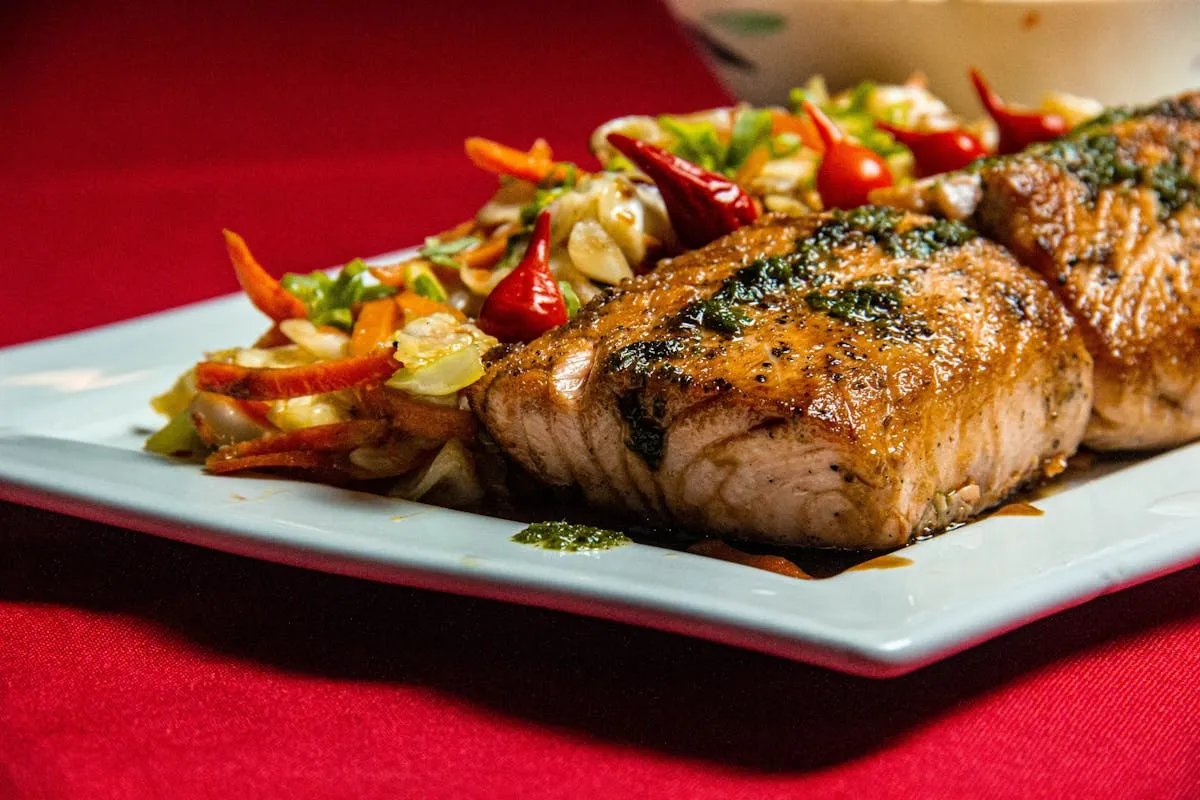
Fresh tuna is also cubed and cooked in rich coconut milk curries spiced with cumin, fenugreek, and chili to create "mas riha," a hearty curry served at lunch and dinner. Grilled tuna steaks, often marinated with turmeric, chili, and garlic, are a popular preparation on islands where the day's catch comes in especially fresh. In Male and on resort islands, sashimi-grade yellowfin tuna is increasingly served raw or seared, blending Maldivian ingredients with international presentation styles. For a broader look at ocean-to-plate dining, see our guide to Maldives seafood.
Pole-and-Line Fishing Heritage
The Maldivian relationship with tuna extends beyond the kitchen into cultural identity. Traditional pole-and-line fishing, known as "kandumasfaru," is a sustainable method that Maldivian fishermen have practised for generations. Unlike industrial purse-seine netting, pole-and-line fishing targets individual fish, resulting in minimal bycatch and leaving marine ecosystems largely intact. This method involves live bait - small fish scattered into the water to attract skipjack schools - and skilled fishermen who hook tuna one at a time with barbless hooks, flipping them into the boat in a rhythmic, almost choreographed motion.
The Maldives has earned international recognition for its commitment to this sustainable fishing tradition. Maldivian pole-and-line caught tuna carries eco-certifications that command premium prices in European and North American markets. For visitors, witnessing a pole-and-line fishing excursion is one of the most authentic things to do in the Maldives, offering a direct connection to the cultural traditions that have sustained these islands for centuries.
Tuna in the Modern Maldives
Today, tuna remains the economic and nutritional backbone of the Maldives. The canning industry has grown significantly, with Maldivian canned tuna exported worldwide. Yet on local islands, the daily rhythm of fishing, smoking, and cooking tuna continues much as it has for generations. Whether served as a humble morning mas huni, a comforting bowl of garudhiya, or an elegant seared steak at a resort restaurant, tuna is the thread that connects every Maldivian meal to the ocean that surrounds and sustains the nation.