 Maldives Compass
Why Conservation Matters Here
No nation on Earth has a more intimate relationship with its coral reefs than the Maldives. The entire country is built on reef - every island is a reef-formed structure, every harbour is cut through reef, and the reef itself provides coastal protection, fisheries, tourism revenue, and the sand that forms the beaches. When the reef degrades, the Maldives loses not just biodiversity but its very physical foundation.
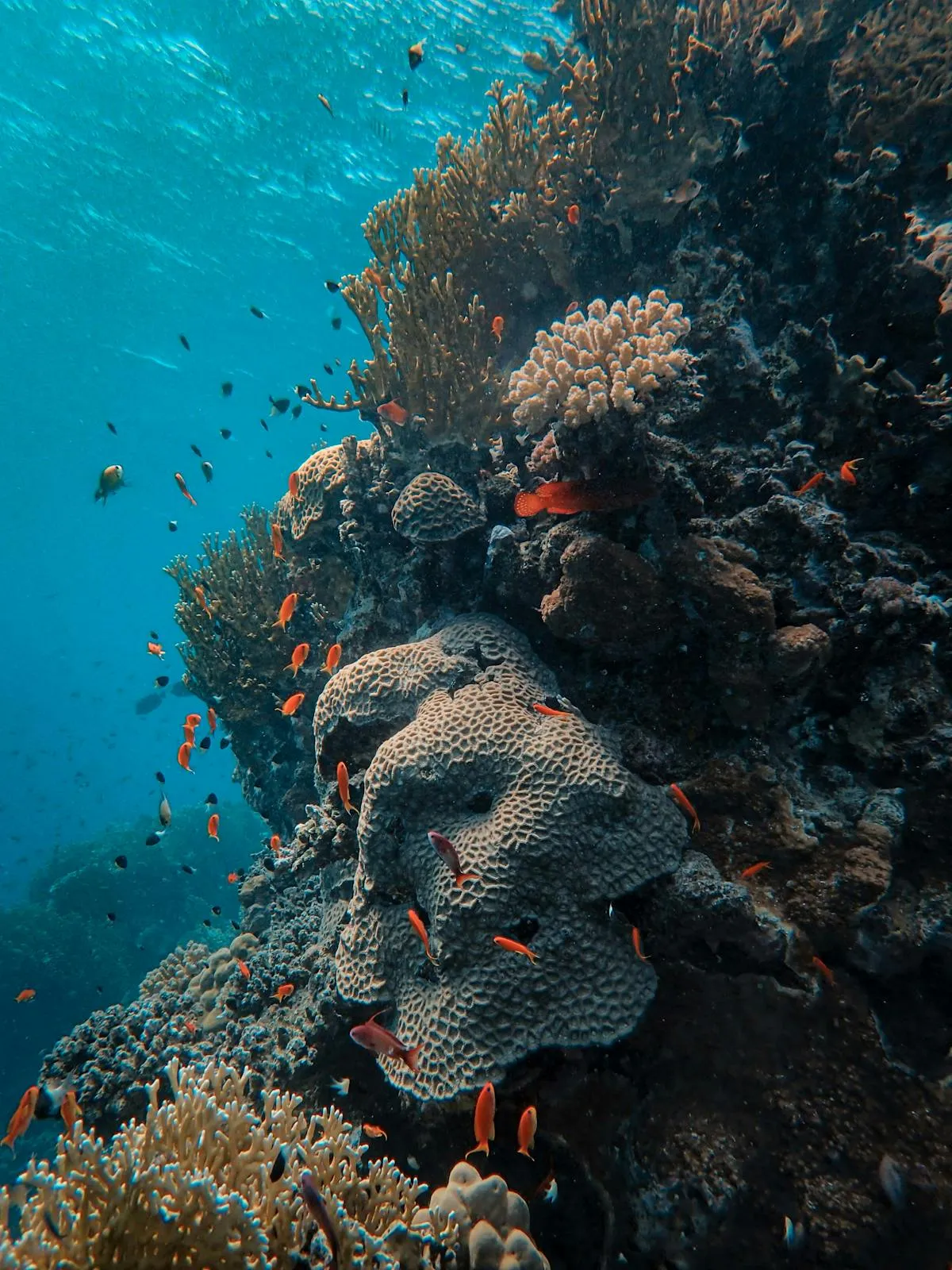
The stakes are enormous. Tourism accounts for roughly 30 percent of the Maldives' GDP, and the overwhelming majority of tourists come for the marine environment. Fisheries, the traditional backbone of the economy, depend entirely on healthy reef ecosystems that serve as nursery habitat for commercially important species. And with an average elevation of just 1.5 metres above sea level, the Maldives depends on the wave-breaking and sand-producing functions of living reefs for the physical survival of its islands.
Against this backdrop, the threats are mounting. Mass coral bleaching events in 1998, 2016, and subsequent years have killed large percentages of live coral cover. Ocean acidification, plastic pollution, coastal development, and localised overfishing add further pressure. Conservation is not a luxury in the Maldives - it is an existential necessity.
Marine Protected Areas
The Maldives has established a network of marine protected areas (MPAs) designed to safeguard critical reef habitats and the species that depend on them. There are over 40 designated protected areas across the archipelago, ranging from individual dive sites and reef formations to entire atolls.
The most significant MPA in the country is the Baa Atoll UNESCO Biosphere Reserve, designated in 2011. Baa Atoll encompasses an entire atoll with its full range of reef habitats, seagrass meadows, and lagoon environments. It is particularly famous for Hanifaru Bay, where manta rays and whale sharks gather in large numbers to feed on seasonal plankton blooms. Strict visitor management protocols limit the number of people in the water at Hanifaru Bay to prevent disturbance to these aggregations.
Other protected areas include specific thilas (submerged reefs), kandu (channels), and reef formations that are recognised as biodiversity hotspots or critical habitat for endangered species. Within these areas, fishing is restricted or prohibited, anchoring is banned, and tourism activities are regulated.
No-Take Zones and Fishing Regulations
No-take zones - areas where all extraction of marine resources is prohibited - are a cornerstone of reef conservation globally, and the Maldives has implemented them at several key sites. Within no-take zones, fish populations can grow larger, produce more offspring, and spill over into adjacent fished areas, benefiting both ecosystems and fisheries.
The Maldives has also enacted nationwide fishing regulations that provide broad protection. The shark fishing ban, established in 2010, designates the entire exclusive economic zone as a shark sanctuary - one of the largest in the world. Reef sharks, nurse sharks, whale sharks, and all other shark species are fully protected. Turtle harvesting has been banned since 1995, protecting all species of sea turtle in Maldivian waters. The export of coral, shells, and other reef materials is also prohibited.
Enforcement remains a challenge, particularly in remote atolls far from government presence. Illegal fishing, including the use of destructive methods, still occurs in some areas. NGOs and community organisations work alongside government agencies to improve monitoring and compliance, and some resort islands fund ranger programmes to patrol nearby protected areas.
Coral Restoration Projects
Coral restoration has become increasingly visible in the Maldives, with programmes operated by resorts, NGOs, and research institutions across the archipelago. The most common approach involves growing fragments of resilient coral species on artificial structures - metal frames, rope nurseries, or concrete blocks - in protected nursery areas, then transplanting the mature fragments onto degraded reef sites.
Several resorts have established large-scale coral frame programmes that double as guest engagement activities. Visitors can sponsor a coral frame, help attach fragments under the guidance of marine biologists, and track the growth of their frame online over subsequent years. These programmes generate funding for conservation while creating a personal connection between visitors and the reef.
More advanced restoration techniques are also being explored. Researchers are experimenting with assisted evolution - selectively propagating coral genotypes that survived past bleaching events in the hope of producing more heat-tolerant colonies. Larval seeding, in which coral spawn is collected, reared in controlled conditions, and settled onto degraded reef areas, offers the potential to restore genetic diversity at a larger scale than fragment-based methods. Electrolysis-based mineral accretion technology, which uses low-voltage electrical currents to accelerate calcium carbonate deposition on metal structures, has been trialled at several Maldivian resort sites.
While these efforts are valuable, marine scientists emphasise that restoration cannot replace the need to address the root causes of reef degradation. No amount of coral gardening can compensate for continued ocean warming. Restoration is most effective as a complement to strong protection, pollution reduction, and global climate action.
Resort Conservation Programmes
Many Maldivian resorts have invested significantly in marine conservation, employing resident marine biologists, operating research programmes, and funding community-based initiatives. These programmes vary widely in scope and quality, but the best examples represent meaningful contributions to conservation science and practice.
Common resort initiatives include regular house reef monitoring surveys (tracking coral cover, fish abundance, and indicator species), manta ray and sea turtle photo-identification programmes that contribute to national databases, plastic reduction campaigns, and educational presentations for guests. Some resorts fund research positions, publish findings in scientific journals, and collaborate with universities and international conservation organisations.
The Green Fins programme, coordinated by the Reef-World Foundation and the UN Environment Programme, provides a framework for dive and snorkel operators to minimise their environmental impact. Resorts and dive centres that participate in Green Fins follow a code of conduct that includes no anchoring on coral, no touching or collecting marine life, diver briefings on responsible behaviour, and regular environmental assessments.
What Visitors Can Do
As a visitor to the Maldives, you have a direct impact on the reef and a meaningful opportunity to support its conservation. Here are concrete steps you can take:
Choose responsible operators. Select resorts and dive centres that demonstrate genuine commitment to conservation - look for resident marine biologists, published environmental policies, participation in programmes like Green Fins, and transparency about their practices.
Protect the reef in the water. Never touch, stand on, or collect coral or other marine life. Maintain good buoyancy control while diving. Use reef-safe sunscreen free of oxybenzone and octinoxate. Do not chase, corner, or harass marine animals. Follow the briefings provided by your guides.
Reduce plastic waste. Carry a reusable water bottle, refuse single-use plastics where possible, and participate in beach or reef clean-up activities if offered. Plastic pollution is a growing problem in the Maldives, and every piece of plastic kept out of the ocean helps.
Support conservation financially. Many resorts offer the option to donate to local conservation projects or sponsor coral frames. Even small contributions add up and help fund ongoing research and protection efforts.
Consider your carbon footprint. The greatest long-term threat to Maldivian reefs is climate change driven by greenhouse gas emissions. Offsetting the carbon cost of your flight, supporting renewable energy initiatives, and making sustainable choices in your daily life all contribute to the broader fight to keep ocean temperatures within the range that corals can survive.
The future of the Maldives' coral reefs is uncertain, but it is not yet determined. With strong protection, active restoration, responsible tourism, and - most critically - global action on climate change, these unusual ecosystems can continue to thrive. Every visitor who leaves the Maldives as an advocate for reef conservation extends the impact of their trip far beyond their holiday.