 Maldives Compass
How Islands Are Built
The natural process of island formation.
When natural islands are not enough, the Maldives builds new ones - a story of ambition, necessity, and environmental trade-offs.
The Maldives faces a unique set of pressures that make land reclamation not just attractive but, in some cases, essential. The country's natural islands are tiny, flat, and increasingly crowded. Male, the capital, packs over 200,000 people onto an island of just six square kilometres, making it one of the most densely populated places on Earth. Rising sea levels threaten existing low-lying land. And the tourism industry constantly demands new resort islands in prime locations.
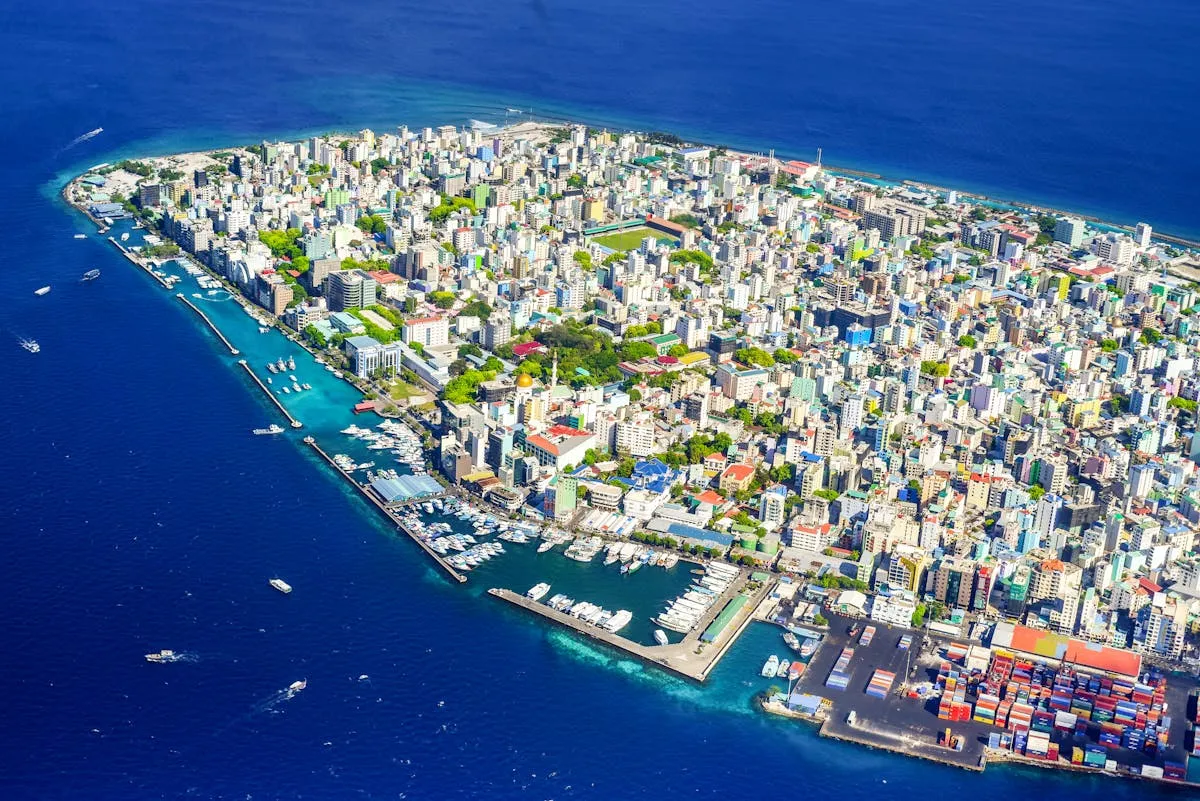
Land reclamation - pumping sand from the lagoon floor onto shallow reef areas to create new dry land - has become a major part of the Maldivian development strategy. The results are visible across the country, from massive urban developments to subtle resort island expansions.
Hulhumale is the largest and most ambitious land reclamation project in the Maldives. Construction began in 1997 on a shallow lagoon adjacent to the airport island of Hulhule. Sand was dredged from the surrounding lagoon and pumped onto the reef flat, creating a new island that has been raised to approximately two metres above sea level - significantly higher than most natural Maldivian islands, which average just one to 1.5 metres.
The higher elevation was deliberate. Hulhumale was conceived as a climate-resilient alternative to Male, designed to absorb the capital's overflow population and provide safer ground against sea level rise. Today, Hulhumale is a rapidly growing city with housing blocks, schools, hospitals, mosques, and a growing number of tourist guesthouses. It is connected to the airport by a bridge, making it the most accessible island in the country for arriving travellers.
Phase II of Hulhumale, completed in the 2020s, expanded the island further, roughly doubling its land area. The project has been described as one of the most significant urban development initiatives in the Indian Ocean region.
Many resort islands in the Maldives have been expanded through smaller-scale land reclamation. Natural islands leased for resort development are sometimes too small to accommodate the planned number of villas, restaurants, and facilities. In these cases, resort developers dredge sand from the surrounding lagoon and pump it onto the island's edges, extending the beach and creating additional buildable land.
Some resorts have been built almost entirely on reclaimed land, starting from a small natural sandbank or reef platform and expanding it into a full-sized island. This process typically involves environmental impact assessments and government permits, though the standards and enforcement of environmental protections have varied over the years.
Land reclamation in the Maldives comes with significant environmental costs. Dredging sand from the lagoon floor destroys seagrass beds, disturbs marine habitats, and generates sediment plumes that can smother nearby coral reefs. The transformation of shallow reef areas into dry land permanently removes habitat for reef fish, invertebrates, and other marine life.
Key environmental impacts include:
Balancing development needs with environmental protection remains one of the most significant challenges facing the Maldives. Environmental organisations advocate for stricter impact assessments and the protection of ecologically important reef areas from reclamation.
Beyond Hulhumale, several other reclamation projects have shaped the modern Maldives. Airport runway extensions, harbour construction on inhabited islands, and industrial zones have all required land to be created from the sea. The Thilafushi waste island, west of Male, was built on a reef to serve as the capital region's waste disposal site, though it has become an environmental concern due to pollution and waste management challenges.
Some inhabited islands have also undergone reclamation to provide additional land for housing, schools, and public facilities as populations grow. These projects are smaller in scale but cumulatively significant across the archipelago.