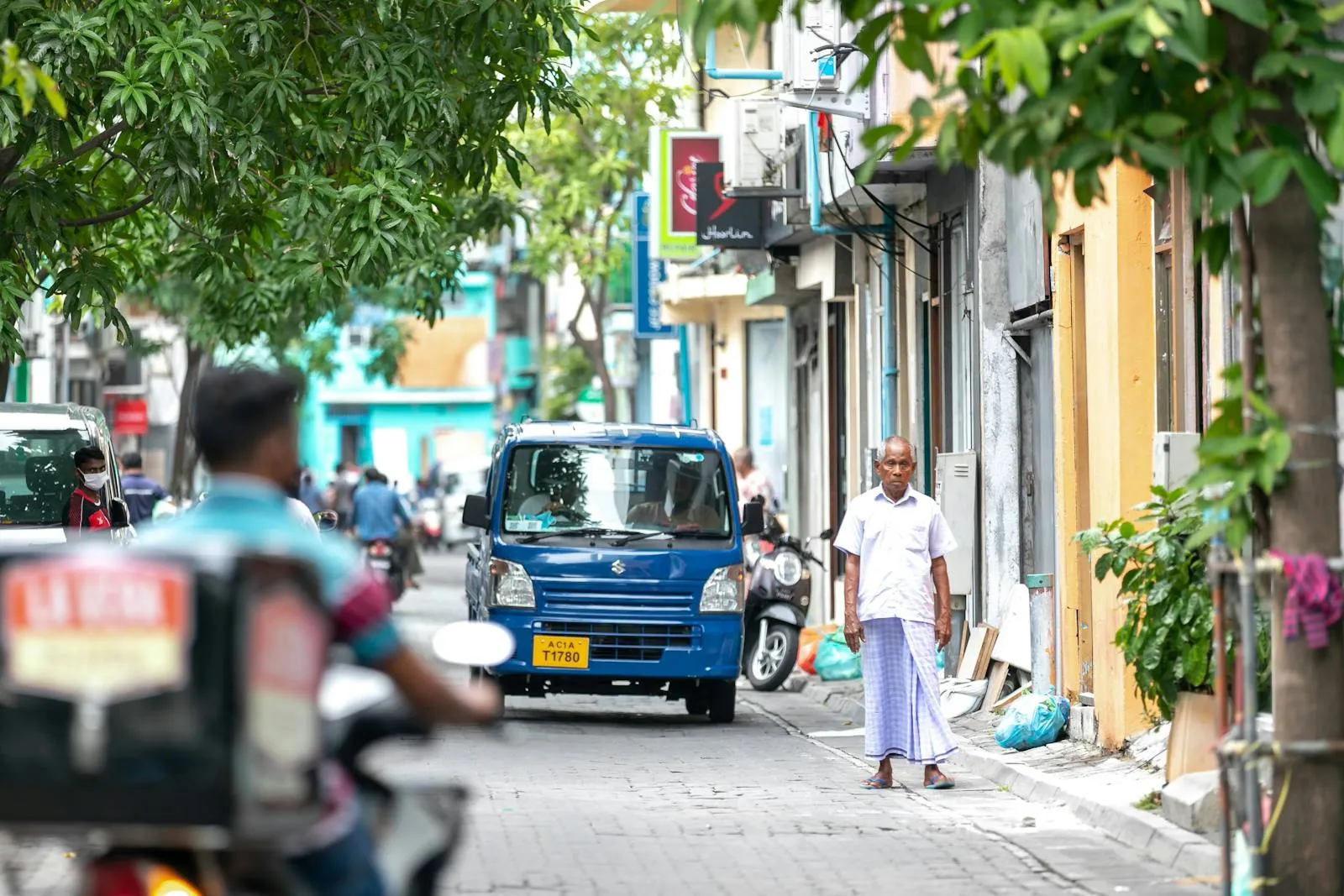
Experience authentic Maldivian life, warm hospitality, and beautiful ocean surroundings at a fraction of resort prices. A local island stay is the Maldives at its most genuine.
A Different Side of the Maldives
When most people picture the Maldives, they imagine overwater villas and private resort islands. But since 2009, when the Maldivian government opened inhabited islands to tourism, a completely different way to experience the country has flourished. Today, dozens of local islands across the archipelago welcome visitors to small, family-run guesthouses, offering an authentic, affordable, and deeply rewarding alternative to the resort experience.
Staying on a local island offers an authentic glimpse into Maldivian daily life
Staying on a local island means living alongside a Maldivian community. You walk the sandy streets, hear the call to prayer, eat home-cooked Maldivian food, and interact with the people who call these islands home. The beaches are just as beautiful, the water just as clear, and the marine life just as abundant - but the experience is enriched by genuine human connection and cultural exchange.
The Guesthouse Experience
Guesthouses on local islands are typically small, independently owned properties with anywhere from 4 to 20 rooms. They range from simple, clean rooms with air conditioning and basic furnishings to modern boutique-style properties with ocean-view terraces and stylish interiors. What they all share is a personal touch that large resorts rarely match.
Rooms - Expect a clean, air-conditioned room with a private bathroom, comfortable bed, and often a small balcony or terrace. Wi-Fi is standard. Rooms are modest compared to resorts but perfectly comfortable.
Meals - Most guesthouses offer half-board or full-board meal plans. The food is typically home-cooked Maldivian cuisine: fresh fish curry, roshi (flatbread), fried rice, grilled tuna, and tropical fruit. Some guesthouses also serve Western-style breakfasts and international dishes. The quality is often excellent and the portions generous.
Hospitality - Guesthouse owners and staff tend to be genuinely warm and helpful. They will arrange excursions, give advice on what to see, lend you snorkeling gear, and often go out of their way to make your stay memorable. Many guests find that the personal relationships they build with their hosts are the highlight of their trip.
What to Expect on a Local Island
Local islands are real communities with mosques, schools, shops, and harbours. They are small enough to walk around in 20 to 30 minutes, and daily life has a gentle, unhurried rhythm. Here is what you should know.
Bikini beaches - The Maldives is a Muslim country, and on local islands, modest dress is expected in public areas. However, every tourist-friendly local island has a designated bikini beach where visitors can swim and sunbathe in standard beachwear. These beaches are typically fenced or screened and are well maintained.
Alcohol - Alcohol is not available on local islands. This is a legal restriction throughout the inhabited Maldives (resorts, which operate on their own islands, are exempt). If alcohol is important to your holiday, a resort stay may be more suitable. Many guesthouse guests find they do not miss it and enjoy the clarity that comes with alcohol-free days by the ocean.
Safety - Local islands are exceptionally safe. Crime rates are very low, and the close-knit community structure means that visitors are looked after. Solo travellers, including solo women, regularly report feeling completely comfortable.
Pace of life - Things move slowly on local islands, and that is the point. Shops may close for prayer times, excursion schedules can be flexible, and the concept of urgency is gently set aside. Embrace the pace; it is part of the experience.
Activities from a Local Island
Every activity available from a resort is also available from a local island, usually at a significantly lower cost. Your guesthouse can arrange:
Snorkeling trips to nearby reefs, including house reef access from the island itself
Diving through local dive centres affiliated with international organisations like PADI
Excursion prices on local islands are typically 40 to 60 percent less than comparable resort offerings. A half-day snorkeling trip that costs 150 US dollars at a resort might be 40 to 60 US dollars from a local island guesthouse.
Budget and Costs
A local island stay is dramatically more affordable than a resort.
Accommodation - Guesthouse rooms range from about 40 to 150 US dollars per night, with most mid-range options falling between 60 and 100 US dollars including breakfast.
Meals - Full-board meal plans typically add 20 to 40 US dollars per person per day. Eating at local cafes is even cheaper.
Excursions - Most half-day excursions cost between 25 and 60 US dollars per person.
Transport - Public ferries connect many local islands to Male and other hubs at very low cost (a few dollars per trip). Speedboat transfers are faster but more expensive (20 to 80 US dollars).
Overall - A week on a local island with full board, daily excursions, and airport transfers can cost between 700 and 1,500 US dollars per person, a fraction of what a comparable resort stay would run.
The Community Experience
Perhaps the greatest reward of staying on a local island is the window it opens into Maldivian community life. You will see children playing on the streets after school, fishermen unloading their catch at the harbour, women weaving palm fronds outside their homes, and the whole island gathering for Friday prayers. If you are open to it, conversations with locals can reveal a rich and complex culture shaped by centuries of seafaring, trade, and island living.
Tourism revenue on local islands goes directly to Maldivian families and businesses, making it one of the most impactful forms of responsible travel. By choosing a guesthouse over a resort, you are contributing to the economic empowerment of island communities and helping to ensure that the benefits of tourism are shared more broadly across the country.
Popular Local Islands for Visitors
Maafushi - The most developed local island for tourism, with dozens of guesthouses, restaurants, dive centres, and a lively bikini beach. Located in South Male Atoll, just 30 minutes by speedboat from the airport.
Thulusdhoo - Known for surfing (the famous "Cokes" break is just offshore) and a more laid-back vibe than Maafushi. Also in North Male Atoll.
Dhigurah - A long, narrow island in South Ari Atoll with a beautiful beach and easy access to whale shark snorkeling.
Fulidhoo - A small, quiet island in Vaavu Atoll that offers a more off-the-beaten-path experience with excellent house reef snorkeling.
Rasdhoo - A charming island with good diving, including early-morning hammerhead shark dives, and a relaxed community feel.
Tips for a Great Local Island Stay
Respect local customs - Dress modestly when away from the bikini beach. Cover shoulders and knees in the village. Remove shoes before entering a home.
Learn a few words of Dhivehi - Even a simple "shukuriyya" (thank you) is warmly appreciated.
Be flexible - Plans may change due to weather, tides, or island rhythms. Go with it.
Bring cash - While some guesthouses accept cards, many small shops and cafes are cash-only. US dollars are widely accepted.
Engage with the community - Accept invitations, visit the harbour when the fishing boats come in, and chat with your hosts. The more open you are, the richer your experience will be.
A guide to local islands in the Maldives - community life, guesthouses, bikini beaches, cultural etiquette, and how to plan an affordable stay on an inhabited island.
Resort islands vs local islands in the Maldives - compare costs, experiences, accommodation, and lifestyle to decide which type of island suits your trip.
Complete guide to Maafushi, the most popular local island in the Maldives. Budget-friendly guesthouses, water sports, excursions, bikini beach, and easy access from Malé.
Explore Maldivian culture - from the rhythms of bodu beru drumming and the Dhivehi language to Islamic traditions, traditional clothing, and the fishing heritage that shapes daily island life.
Explore Maldivian food and drink - from iconic dishes like mas huni and garudhiya to fresh seafood, local snacks, and traditional beverages. A complete guide to eating in the Maldives.
Everything you need to know about water villas in the Maldives, the iconic overwater bungalows, what they offer, how to choose one, and important considerations before booking.
 Maldives Compass