 Maldives Compass
The Robinson Crusoe Experience
The Maldives is made up of roughly 1,200 islands, and the vast majority of them are uninhabited. These empty, untouched islands range from tiny patches of sand with a few palm trees to larger forested islets with clean beaches and thriving house reefs. Visiting one of these uninhabited islands for a few hours is one of the most special things you can do in the Maldives, offering a genuine Robinson Crusoe experience that is surprisingly easy to arrange.
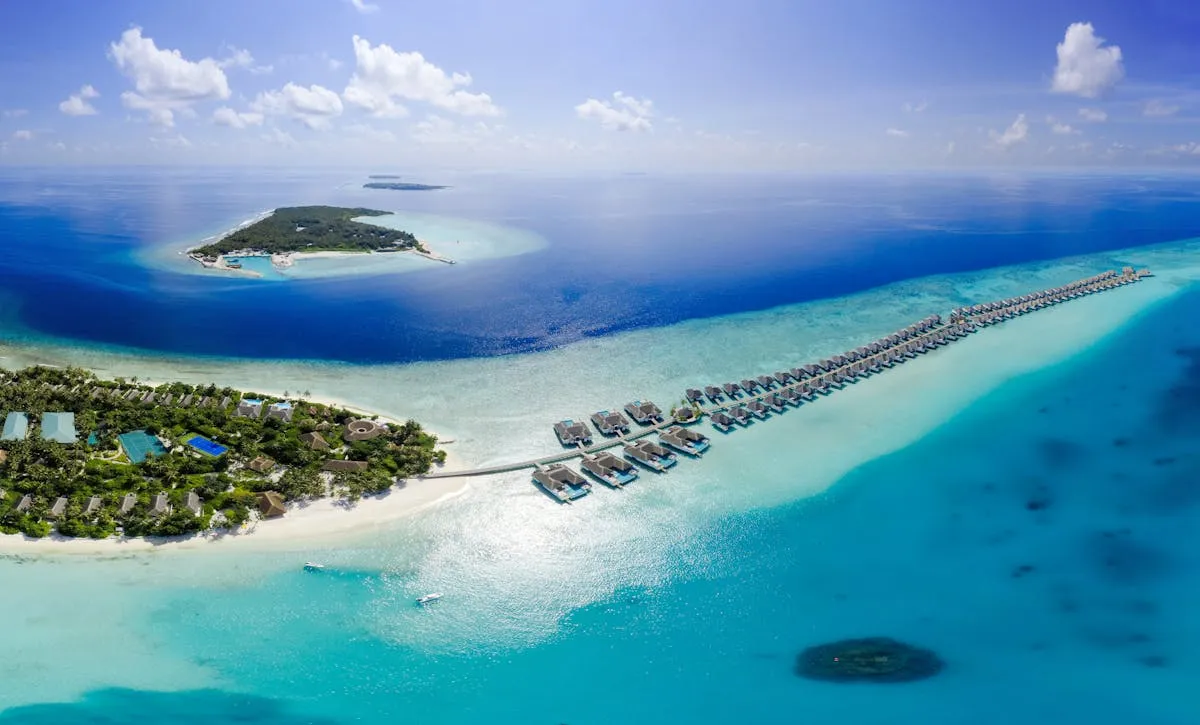
There is something deeply peaceful about stepping onto a beach where there are no buildings, no other people, and no signs of development. Just white sand, turquoise water, coconut palms, and the sound of waves. It is the kind of moment that makes you understand why the Maldives captures people's imaginations so powerfully. For a few hours, you get to feel like you have your own private island, and the sense of freedom and tranquillity is impressive.
How to Arrange a Private Island Visit
Arranging a visit to an uninhabited island is straightforward. If you are staying on a local island at a guesthouse, your host can organise a boat trip to a nearby uninhabited island, often for a very reasonable price. These excursions are a staple of the guesthouse experience, and staff will know which islands are the most beautiful and accessible at any given time.
Resorts also offer uninhabited island excursions, though these tend to be more polished and significantly more expensive. Some luxury resorts have exclusive use of a nearby uninhabited island and set up elaborate picnics with sun loungers, champagne, and private dining. Whether you go the budget route through a guesthouse or the luxury route through a resort, the core experience of landing on an empty tropical island is equally magical.
What to Expect
Uninhabited islands in the Maldives have no facilities whatsoever. There are no toilets, no shade structures, no jetties, and no fresh water. What they do have is nature in its most unspoiled state. You will find beaches that have never been raked or cleaned because they do not need to be, vegetation growing wild right down to the waterline, and an underwater world that has been left completely undisturbed.
The beaches on uninhabited islands are often more beautiful than those at resorts, simply because they are completely natural. Driftwood, shells, and coral fragments line the shore, and you might see hermit crabs scuttling across the sand or herons wading in the shallows. The interior of larger uninhabited islands can be surprisingly dense with vegetation, creating a small jungle of coconut palms, screwpine trees, and tropical bushes that is fun to explore.
What to Bring Along
Since there are no facilities on uninhabited islands, you need to bring everything with you and take everything away when you leave. Essentials include plenty of drinking water, sunscreen, a hat, and snorkelling gear. If your excursion includes a picnic or barbecue, your boat operator or guesthouse will provide the food and cooking equipment.
A beach towel or mat is useful for sitting on, and reef-safe insect repellent can be helpful if there are mosquitoes, which is more likely on larger, more vegetated islands. Bring a waterproof bag or case for your phone and camera, and a rubbish bag to ensure you leave the island exactly as you found it. If you plan to spend several hours, some form of portable shade like an umbrella or lightweight tarp can be a lifesaver, as natural shade may be limited on smaller islands.
Snorkeling on Untouched House Reefs
One of the greatest rewards of visiting an uninhabited island is the snorkelling. The house reefs around these islands are completely undisturbed, and the marine life tends to be abundant and unafraid of humans. You might encounter large schools of fish, reef sharks, turtles, and a dazzling variety of coral that has been growing undisturbed for decades.
The reef around an uninhabited island often starts just a few metres from the beach, making it incredibly accessible even for beginner snorkellers. The water is usually crystal clear, and because there are no boats constantly coming and going, visibility can be even better than at busy resort reefs. Some of the most experienced divers and snorkellers in the Maldives say that uninhabited island reefs are among the best they have ever explored.
Difference from Resort Day Visits
It is worth distinguishing between visiting an uninhabited island and doing a resort day visit. A resort day visit takes you to an inhabited resort island where you can use the facilities, eat at the restaurants, and lounge by the pool. It is a glimpse into the luxury resort experience. An uninhabited island visit is the complete opposite: raw, natural, and wonderfully basic.
Both experiences have their appeal, and many visitors enjoy doing both during their trip to the Maldives. The resort day visit satisfies curiosity about the famous Maldivian luxury lifestyle, while the uninhabited island visit connects you with the natural beauty that makes the Maldives so special in the first place. If you have the time and budget, doing both gives you a wonderfully rounded picture of what these islands have to offer.
Popular Uninhabited Islands Near Guesthouses
Many of the best uninhabited island excursions are found near popular local island guesthouse destinations. From Maafushi in South Malé Atoll, boats can reach several beautiful uninhabited islands within 20 to 30 minutes. Dhigurah in South Ari Atoll has impressive uninhabited neighbours that combine beaches with exceptional snorkelling. Thulusdhoo, Guraidhoo, and Fulidhoo all have their own nearby uninhabited gems.
In more remote atolls like Laamu, Thaa, and Gaafu, the uninhabited islands see very few visitors and offer an even more secluded experience. These less-touristed areas are starting to develop guesthouse tourism, and their uninhabited island excursions are among the most authentic and unspoiled experiences available anywhere in the Maldives. For a broader look at island options, explore our islands guide.
Costs and Practical Tips
The cost of an uninhabited island excursion depends largely on where you are staying and how you arrange it. From a local island guesthouse, a basic boat trip for a small group typically costs between 25 and 60 US dollars per person, including snorkelling gear and sometimes a simple lunch or snack. Private trips for couples or small groups will cost more but give you the island entirely to yourselves.
Resort excursions range from around 100 to 500 US dollars per person depending on the level of service. Some resorts offer sandbank trips and uninhabited island visits as part of a combined excursion, which can provide good value. Whatever your budget, visiting an uninhabited island is an experience that consistently ranks among visitors' favourite Maldives memories. The simplicity of standing alone on a white tropical island, far from everything, is a rare kind of luxury that no amount of money can replicate elsewhere.