 Maldives Compass
Sandbanks and Shallow Lagoons
If you could only photograph one thing in the Maldives, a sandbank would be a strong contender. These tiny strips of pure white sand rising just above the waterline, surrounded by impossibly clear turquoise water, create images that hardly look real. The contrast between the bright sand and the gradient of blues around it is incredibly striking, whether shot from the water level or from above.
Shallow lagoons surrounding sandbanks offer wonderful opportunities for creative shots. Standing knee-deep in water that is so transparent your feet appear to hover above the sandy bottom produces magical images. The best time to photograph sandbanks is mid-morning or late afternoon when the sun is at an angle that brings out the full spectrum of blue and green tones in the water. For a full guide to visiting these natural wonders, see our page on sandbank trips.
Overwater Villas from Above
The neat geometric lines of overwater villas stretching into a turquoise lagoon have become one of the most recognisable images of the Maldives. Photographing them from above, whether from a seaplane or a drone, reveals patterns and colours that are simply invisible from ground level. The wooden walkways, the glass-floored sections, and the private pools all create fascinating details when viewed from altitude.
Even without aerial access, you can capture striking overwater villa shots from the end of the jetty looking back toward the island, or from a boat in the lagoon. Early morning light casts a warm glow on the thatched roofs and creates long reflections in the still water. At dusk, the warm interior lights of the villas against a fading sky produce beautiful images with a completely different mood.
Underwater Photography
The Maldives offers some of the most rewarding underwater photography opportunities on the planet. The crystal-clear water provides exceptional visibility, often exceeding 30 metres, and the marine life is diverse and abundant. Coral gardens teeming with colourful reef fish, graceful manta rays gliding through cleaning stations, and whale sharks cruising through deep blue water all make for notable subjects.
You do not need expensive equipment to get started with underwater photography here. Modern waterproof action cameras produce remarkably good results, and many smartphones now come with water-resistant ratings suitable for shallow snorkelling shots. For more serious work, a compact camera in a dedicated underwater housing gives you manual control over settings while remaining portable enough for snorkelling and diving.
Bioluminescent Beaches
On certain nights, some beaches in the Maldives glow with an ethereal blue light caused by bioluminescent plankton. This natural phenomenon, often called the sea of stars, creates one of the most otherworldly photography subjects you will ever encounter. The tiny organisms emit light when disturbed by waves, turning the shoreline into a glowing blue wonderland.
Photographing bioluminescence requires patience and the right settings. You need a tripod, a camera capable of long exposures, and a dark beach away from artificial light. Set your ISO high, open your aperture wide, and use exposure times of around 15 to 30 seconds. The best months for bioluminescence are typically during the southwest monsoon season from June to October, particularly around the new moon when the sky is darkest.
Drone Shots of Atolls
Aerial photography has transformed how we see the Maldives. A drone hovering at 50 to 100 metres reveals the full beauty of an atoll in ways no other perspective can match. The rings of reef, the channels between islands, the gradient of ocean colours, and the tiny scale of human habitation against the vast ocean all become apparent from above.
Some of the most striking drone compositions include a single palm tree on a tiny island, a dhoni boat cutting through a turquoise lagoon, or a sandbank viewed directly from above showing the ripple patterns in the sand beneath the shallow water. Top-down shots looking straight into the water can reveal reef structures, rays, and even sharks that are invisible from the surface.
Drone Regulations in the Maldives
Before packing your drone, be aware that the Maldives has strict regulations on drone use. You need permission from the Ministry of Defence to fly a drone in the country, and the application process should be started well before your trip. Flying near the airport, over Malé city, and above military installations is strictly prohibited.
Most resorts have their own drone policies. Some allow guests to fly drones in designated areas, while others ban them entirely due to privacy concerns and noise. Local islands also have varying attitudes toward drones. Always check with your accommodation before flying, and respect the privacy of other guests and local residents. Penalties for unauthorised drone use can include confiscation of equipment and fines.
Golden Hour and Sunset Photography
The Maldives sits close to the equator, which means the sun rises and sets quickly with intense colours. Golden hour, the period just after sunrise and before sunset, bathes everything in warm, soft light that is perfect for photography. The flat landscape and open ocean horizon mean there are few obstructions, giving you clean, uncluttered compositions.
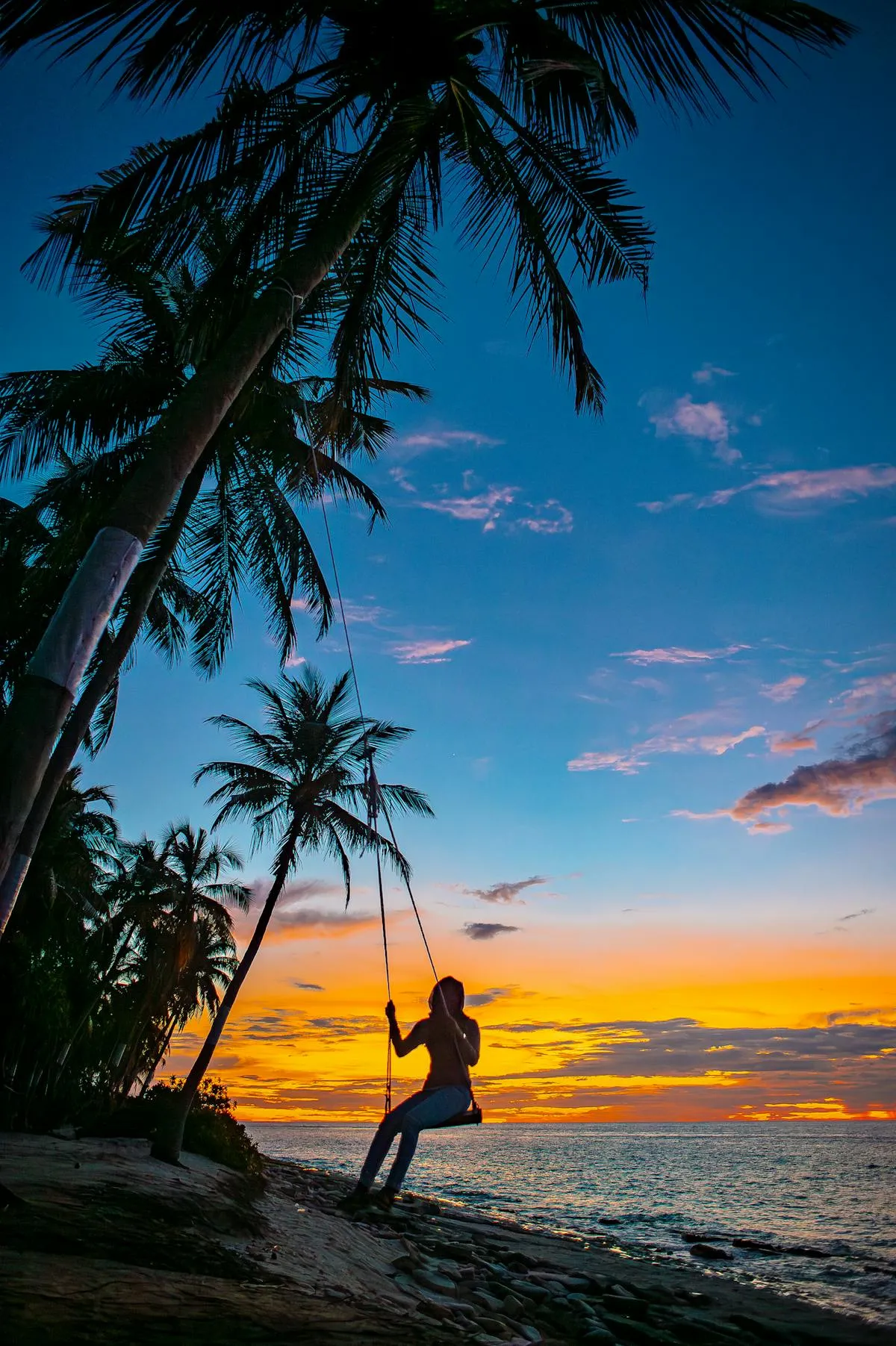
Sunset cruises offer a wonderful platform for photography, with the boat providing a constantly changing viewpoint against the setting sun. From land, jetties and palm trees make classic silhouette subjects. The brief but vivid twilight period after the sun dips below the horizon often produces the most dramatic colours in the sky, so keep shooting even after the sun disappears.
Local Island Life and Malé Fish Market
Not all the best photo opportunities in the Maldives involve beaches and lagoons. The Malé fish market is a , lively place where fishermen unload the day's catch of tuna, reef fish, and other species. The colours, textures, and human activity create compelling documentary-style images that tell a different story about the Maldives.
Local island streets with their coral stone walls, colourful mosques, and swinging hammocks (joali) offer a window into everyday Maldivian life that many visitors never see. Children playing on the beach, fishermen mending nets, and women preparing traditional food are all subjects that add depth and humanity to your photo collection. Always ask permission before photographing people, especially in more conservative local island communities.
Equipment Tips and Recommendations
For a general Maldives photography kit, a versatile zoom lens covering wide angle to moderate telephoto is the most useful single lens to bring. A wide-angle lens in the 16 to 35 millimetre range captures sweeping beach and lagoon scenes, while something in the 70 to 200 millimetre range is helpful for wildlife and detail shots. A polarising filter is almost essential for cutting glare off the water and enriching colours.
Protect your gear from salt spray, sand, and humidity. Bring silica gel packets for your camera bag, a microfibre cloth for cleaning lenses, and a rain cover for unexpected showers. For underwater work, a GoPro or similar action camera is the most practical option for casual shooters, while dedicated underwater housings for mirrorless cameras open up more creative possibilities. Whatever you bring, the Maldives will reward you with images that look almost too beautiful to be real.