 Maldives Compass
A Community Shaped by Tourism
Maafushi has undergone one of the most dramatic transformations of any island in the Maldives. Before guesthouse tourism was permitted in 2009, it was a quiet fishing community like hundreds of other inhabited islands in the country. Today, tourism is the primary industry, and the island has dozens of guesthouses, restaurants, dive centres, and excursion operators. Despite this transformation, Maafushi remains a real community with a local population of around 3,000 people. Families live alongside the tourist businesses, children attend the local school, and the mosque remains the spiritual centre of island life. The blending of tourist infrastructure with genuine community creates an atmosphere that is neither fully resort nor fully traditional village.
The Guesthouse Culture
Guesthouses are the heart of the Maafushi experience. Ranging from simple family-run establishments with a few rooms to larger, more polished operations with rooftop restaurants and organised tours, they offer a huge range of options for every budget. What makes the guesthouse experience special is the personal connection. Many are run by local families who genuinely enjoy hosting visitors and sharing their culture. Your hosts can help you arrange excursions, recommend restaurants, explain local customs, and make you feel at home. Some guesthouses serve meals that are closer to home cooking than restaurant fare, featuring the kind of fish curries and coconut-based dishes that Maldivian families eat every day. The guesthouse model has created economic opportunities for ordinary Maldivians that were previously reserved for resort owners and large companies.
Evening Atmosphere
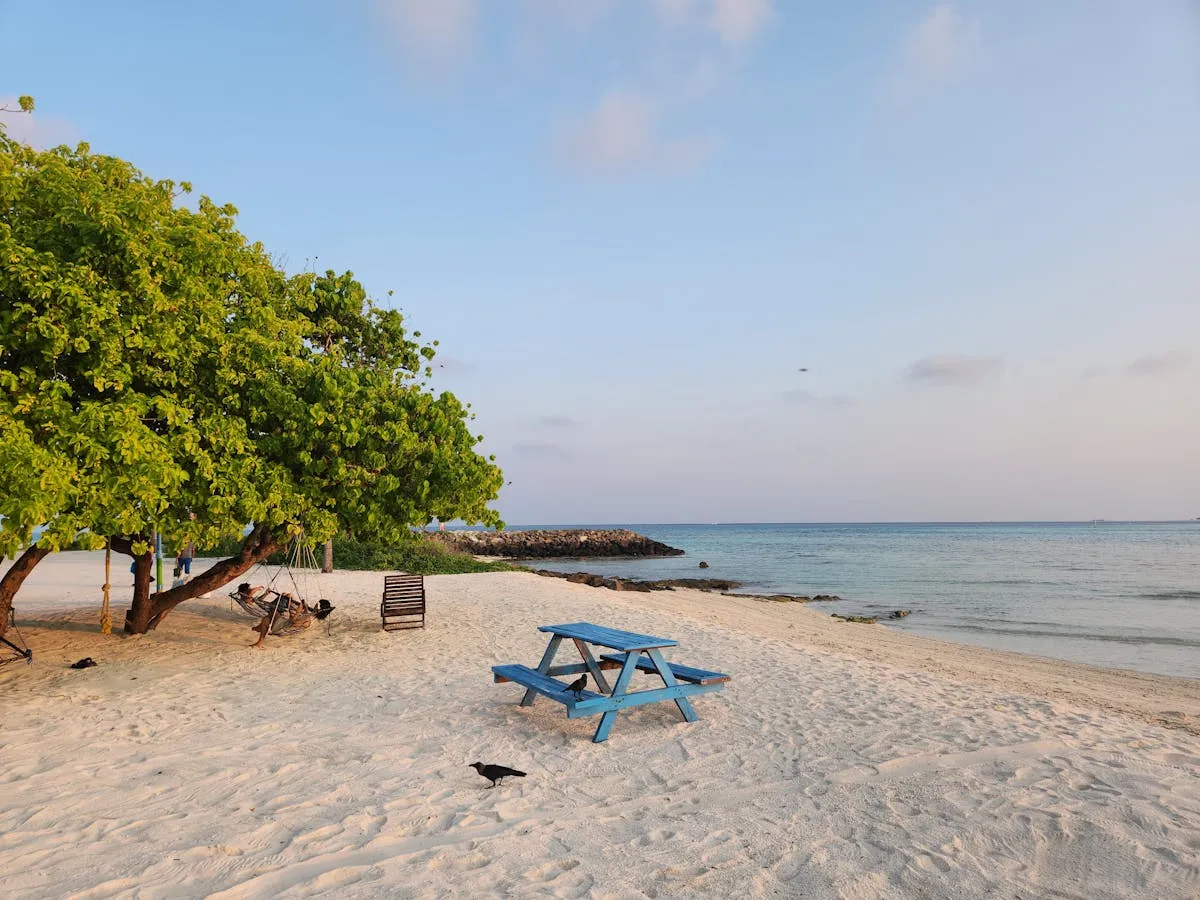
As the heat of the day fades, Maafushi comes alive with a relaxed evening energy. The main street fills with visitors strolling between restaurants, comparing menus, and chatting with tour operators about the next day's activities. Many restaurants set up outdoor seating, and the aroma of grilled fish and spiced curries drifts through the air. Some guesthouses have rooftop dining areas where you can eat under the stars while watching the ocean. The beachfront area becomes popular for evening walks, and the sunset over the water draws crowds to the western shore. There is no nightlife in the traditional sense, as alcohol is not served on the island, but the social atmosphere is warm and convivial. Travellers from different countries and backgrounds mingle easily, sharing stories of the day's snorkeling spots and excursion highlights.
Local Customs and Etiquette
While Maafushi is accustomed to tourists, it remains a Muslim community with customs that visitors should respect. Modest dress is expected when walking through the residential and commercial areas of the island. The bikini beach is the designated area for Western swimwear, and it is separated from the rest of the island by screens. During prayer times, you may notice shops briefly closing and the streets becoming quieter. During Ramadan, the atmosphere shifts significantly, with restaurants adjusting their hours and a more subdued pace during daylight hours followed by festive evenings. Showing respect for these customs is appreciated by locals and helps maintain the positive relationship between the community and its visitors.
The Local Market and Daily Rhythms
Life on Maafushi follows a rhythm shaped by the sea and the sun. Fishermen head out early in the morning and return with their catch, which supplies the island's restaurants and households. Small shops along the main street sell everyday necessities, snacks, and drinks. The island has a basic health centre, a pharmacy, and mobile phone shops where you can buy a local SIM card. During the day, when many tourists are out on excursions, the island takes on a quieter, more local character. You might see children playing football on the sandy streets, women hanging laundry between palm trees, and elderly men sitting outside their homes watching the world go by. These glimpses of ordinary island life are part of what makes staying on a local island so much richer than a resort experience.