 Maldives Compass
Hanifaru Bay Feeding Events
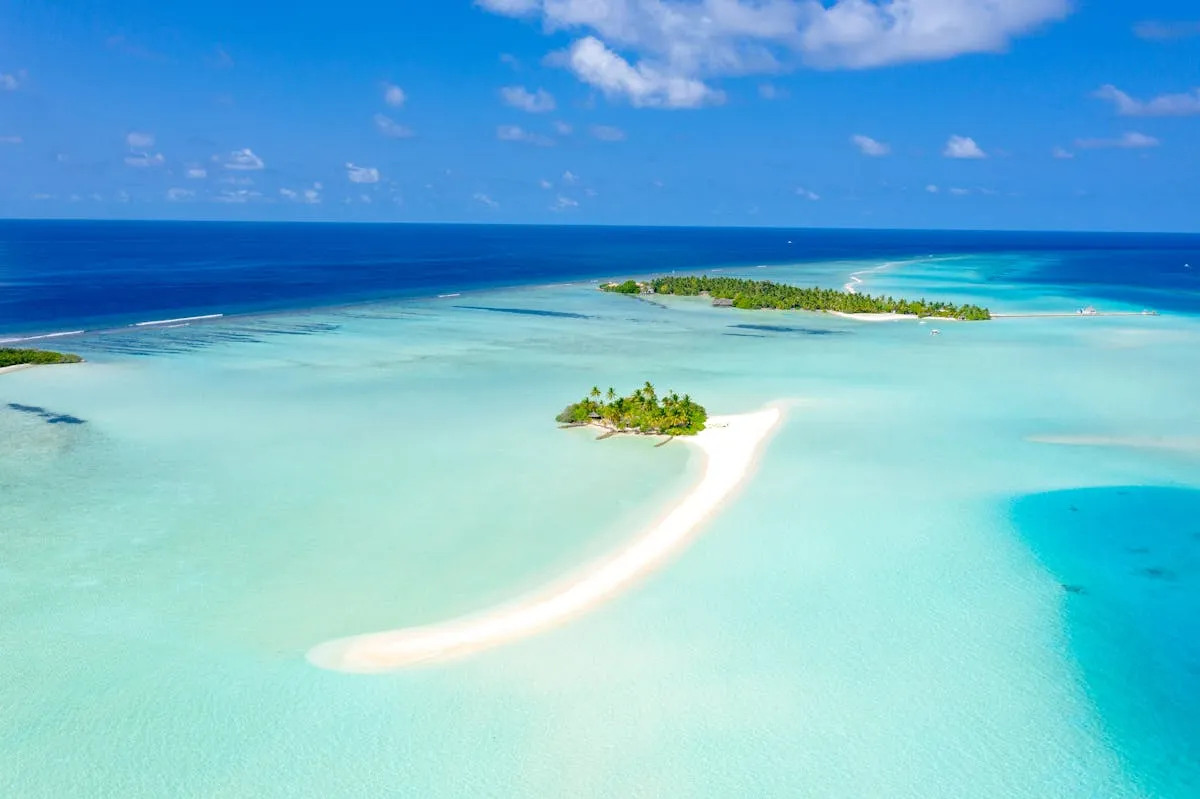
Hanifaru Bay is a small, funnel-shaped inlet on the uninhabited island of Hanifaru in Baa Atoll. During the southwest monsoon season, convergence of tidal flows, lunar cycles, and ocean currents concentrates dense clouds of plankton in the bay's shallow waters, drawing reef manta rays in unusual numbers. On the most productive days, over a hundred mantas may gather simultaneously, performing their characteristic barrel rolls and chain-feeding patterns as they filter vast quantities of zooplankton through their gill plates. Whale sharks occasionally join the feeding frenzy, adding even more drama to what marine biologists have described as one of the greatest wildlife spectacles in the ocean. The bay's shallow depth - rarely more than 10 meters - means snorkelers floating at the surface have front-row seats to the action, with mantas sometimes passing within arm's reach as they circle and feed.
Seasonal Patterns
The manta feeding season at Hanifaru Bay typically runs from June through November, coinciding with the southwest monsoon. However, the intensity of feeding events varies considerably within this window. The most spectacular aggregations tend to occur during the new and full moon periods when tidal flows are strongest, creating the most effective plankton concentration. July through October generally offers the highest frequency of large feeding events, though exceptional gatherings can occur outside this peak window. Weather conditions play a role as well - sustained southwest winds and specific swell patterns contribute to optimal plankton accumulation. Excursion operators and resort marine biologists monitor conditions daily and advise guests on the best days to visit, maximizing the chances of witnessing a significant feeding event.
Viewing Rules and Regulations
Access to Hanifaru Bay is strictly regulated to protect the feeding mantas and ensure a sustainable visitor experience. A ranger station on the adjacent island controls entry, and the number of snorkelers permitted in the bay at any one time is limited. Only snorkeling is allowed - scuba diving has been banned since 2009 to prevent bubble disturbance to the feeding animals. Visitors must maintain a distance of at least three meters from mantas and whale sharks, though the animals themselves often approach closer out of curiosity. Touching, chasing, or blocking the path of feeding mantas is strictly prohibited. Flash photography is not permitted, and guides enforce a no-splash entry technique to minimize disturbance. An entry fee is charged per visit, with funds supporting conservation management and ranger operations.
Planning Your Visit
To experience Hanifaru Bay, plan your trip during the manta season and allow for multiple attempts, as conditions vary day to day. Resorts and guesthouses throughout Baa Atoll offer Hanifaru excursions, and the boat ride from most properties takes between 15 and 45 minutes. Morning visits are often preferred as conditions tend to be calmer and plankton concentration may be higher following the overnight tidal cycle. Bring your own well-fitting snorkel gear if possible, wear reef-safe sunscreen, and listen carefully to the briefing provided by your guide before entering the water. Even on quieter days when large aggregations do not form, individual mantas can often be found feeding or visiting nearby cleaning stations, making virtually every visit worthwhile.