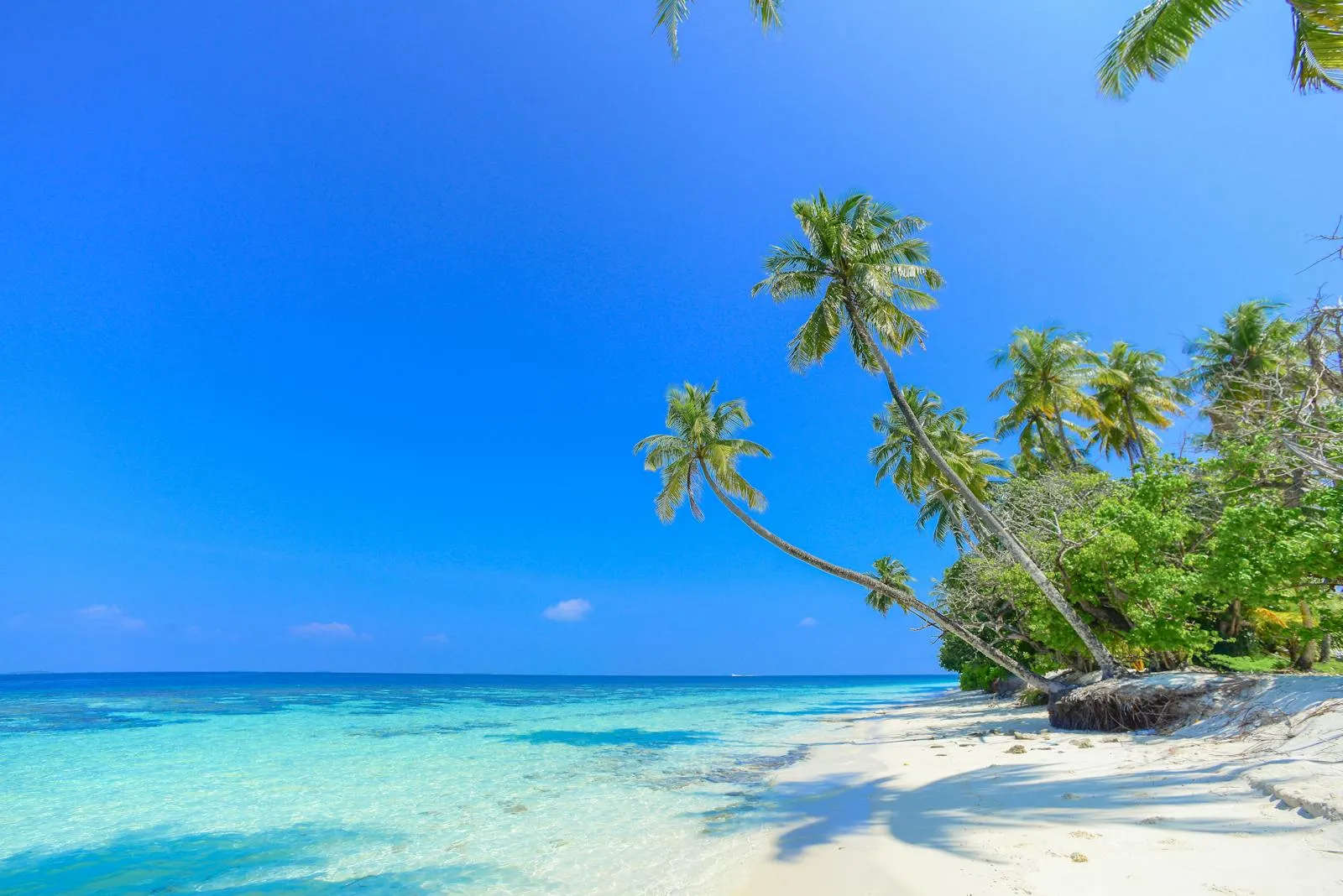
The Maldives is one of the safest travel destinations in the world. Most risks are natural rather than human - strong sun, ocean currents, and marine life are the things to watch for.
General Safety
The Maldives has very low crime rates, especially affecting tourists. Violent crime against visitors is extremely rare. Resort islands are private and secure, with controlled access. Local islands are tight-knit communities where everyone knows each other, which naturally deters crime.
The Maldives is generally a very safe destination for visitors
That said, basic precautions apply as they would anywhere:
Keep valuables secure. Use your room safe for passports, cash, and electronics.
In Male, be aware of your belongings in crowded areas such as the fish market and ferry terminal.
Petty theft is uncommon but not unheard of in urban areas.
Avoid walking alone in poorly lit areas of Male at night.
Ocean Currents
Currents are the most significant safety concern for visitors to the Maldives. The channels (called "kandu") between islands and between the inner lagoons and the open ocean can have very strong currents, particularly during tidal changes.
Always check conditions with resort staff, dive guides, or guesthouse hosts before swimming or snorkelling in unfamiliar areas.
Never snorkel alone in channels or reef edges where currents are strong.
If caught in a current, do not fight it. Float calmly and swim diagonally across the current toward the reef edge or shore. Signal for help if needed.
Reef edges can have sudden drop-offs where lagoon shallows give way to deep water and outgoing currents. Stay within marked swimming areas where they exist.
Guided snorkelling and diving excursions are the safest way to explore the reefs, as local guides know the current patterns intimately.
Sun Exposure
The equatorial sun is fierce. The UV index in the Maldives regularly exceeds 10, which is classified as "very high" to "extreme." Sunburn, heat exhaustion, and heatstroke are real risks, especially for visitors arriving from cooler climates.
Apply SPF 50+ reef-safe sunscreen generously and frequently - at least every two hours and after swimming.
Wear a wide-brimmed hat and UV-protective sunglasses.
A rash guard provides far better UV protection than sunscreen alone while in the water.
Stay hydrated. Drink plenty of water throughout the day, even if you do not feel thirsty.
Avoid prolonged sun exposure during the peak hours of 10:00 am to 3:00 pm, especially on your first days.
Overcast skies do not mean low UV - you can burn just as easily on cloudy days.
See our What to Pack guide for more on sun-protective clothing.
Marine Life
The Maldives' rich marine life is one of its greatest attractions, but a few creatures warrant caution. Serious incidents are rare, but awareness helps you avoid discomfort.
Stingrays: Found resting on sandy bottoms in shallow lagoons. Shuffle your feet when wading to avoid stepping on them. If stung, immerse the wound in hot water and seek medical attention.
Sea urchins: Black sea urchins with long spines live on rocky and coral surfaces. Wear reef shoes or water shoes when walking in shallow reef areas.
Jellyfish: Occasionally present, particularly during certain seasons. A rash guard offers good protection. If stung, rinse with vinegar or seawater (not fresh water) and seek help if the reaction is severe.
Coral: Fire coral and other species can cause painful cuts and stings. Avoid touching coral - both for your safety and to protect the reef.
Sharks: Reef sharks are common but not dangerous to humans. The Maldives is famous for its shark populations, including blacktip and whitetip reef sharks, nurse sharks, and whale sharks. None of these species pose a threat to swimmers or snorkellers. Enjoy observing them from a respectful distance.
Moray eels: Found in reef crevices. They are not aggressive unless provoked - do not reach into holes in the reef.
The golden rule is simple: look but do not touch. Observe marine life without handling, standing on coral, or disturbing animals. For more about the marine ecosystem, visit our Nature section.
Health
No special vaccinations are required to visit the Maldives (unless you are arriving from a yellow fever zone, in which case proof of vaccination may be asked for). However, the following health tips are useful:
Drinking water: Tap water in the Maldives is generally desalinated or rainwater-collected and may not be safe to drink directly. Drink bottled water or water provided by your accommodation. Resorts provide purified drinking water, and many now offer refillable glass bottles to reduce plastic waste.
Mosquitoes: Dengue fever and chikungunya are present in the Maldives, transmitted by daytime-biting Aedes mosquitoes. Use insect repellent, especially during dawn and dusk, and on local islands. Resorts typically manage mosquito populations through regular fogging.
Medical facilities: Male has hospitals including the government-run IGMH (Indira Gandhi Memorial Hospital) and private clinics such as ADK Hospital and Tree Top Hospital in Hulhumale. Larger resorts have on-site doctors or nurses. Remote islands may have only a basic health centre.
Travel insurance: Essential. Ensure your policy covers medical evacuation, as reaching a hospital from a remote atoll may require a seaplane or speedboat transfer. Dive-specific insurance is recommended if you plan to scuba dive.
Decompression chamber: Hyperbaric chambers for diving emergencies are available at Bandos Island Resort (North Male Atoll) and at Kuramathi (Rasdhoo Atoll). Your dive operator should know the nearest facility.
Water Safety
Many visitors spend most of their time in or on the water. Keep these points in mind:
Always wear a life jacket on boat transfers if one is provided, especially in rough conditions.
If you are not a confident swimmer, wear a snorkelling vest or life jacket when snorkelling - there is no shame in it, and it allows you to enjoy the reef safely.
Watch for boat traffic when swimming near jetties and harbour areas.
Stay within designated swimming areas where they are marked.
Follow the instructions of dive masters and boat crews - they understand local conditions.
Emergency Contacts
Police: 119
Ambulance: 102
Fire: 118
Coast Guard: 191
Save these numbers in your phone when you arrive. On resort islands, contact the front desk or reception in any emergency - they will coordinate the response.
 Maldives Compass