 Maldives Compass
Thulusdhoo is one of those rare places where tourism and traditional island life coexist in a genuinely comfortable way. The island of around 1,500 residents has absorbed a steady stream of surf travellers and holiday-makers without losing its essential character as a Maldivian fishing village. Understanding the local life here adds a rich dimension to any visit and helps explain why so many travellers return to Thulusdhoo year after year.
The Coca-Cola Factory
Perhaps the most unexpected feature of Thulusdhoo is the Coca-Cola bottling plant that sits on the southern end of the island. This factory has been producing soft drinks for the Maldivian domestic market for decades, using desalinated seawater as its base. The sight of a corrugated industrial building on a tiny tropical island is inherently amusing, and the factory has become something of a landmark and conversation piece. While it is not open for public tours, you can see the building from the road and occasionally catch a glimpse of production activity. The factory provides employment for a number of island residents and is an interesting reminder that even the most remote-seeming islands in the Maldives are connected to global commerce.
Fishing Heritage
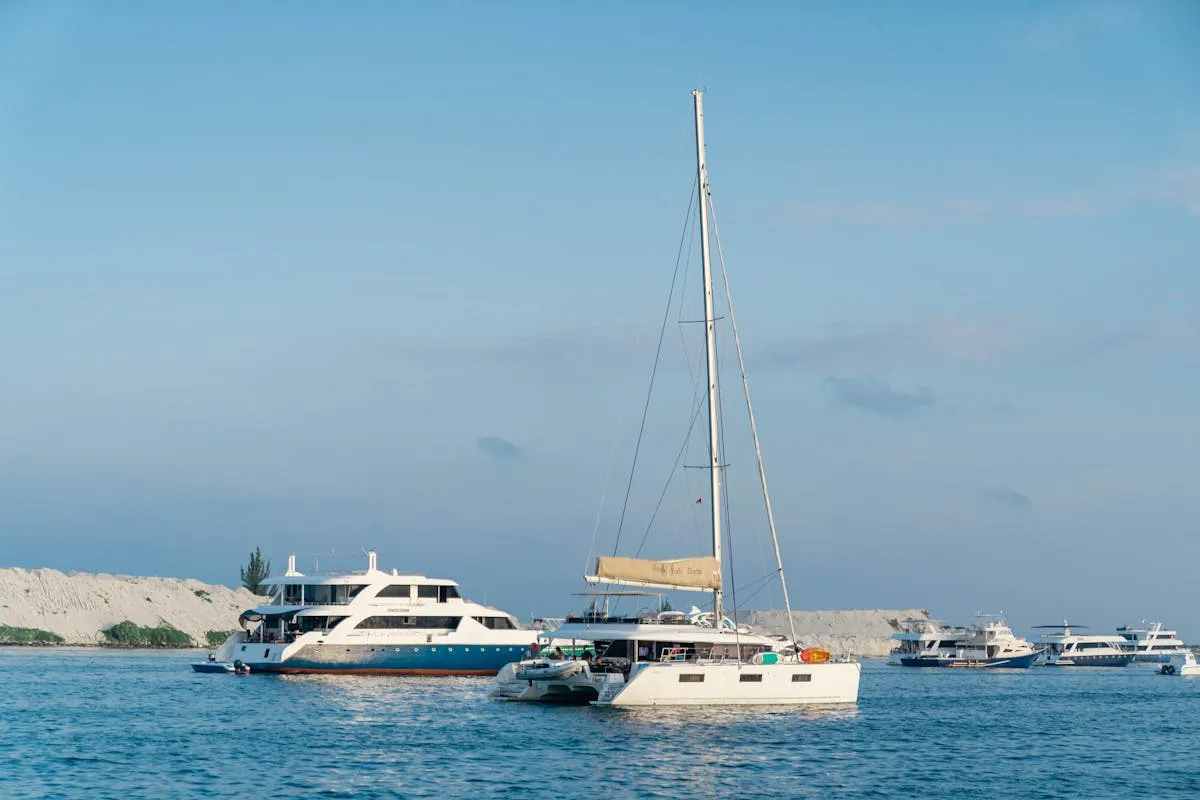
Before surfing brought international visitors to Thulusdhoo, fishing was the island's primary livelihood, and it remains an important part of the local economy and culture. The harbour on the western side of the island is the focal point of this activity, where wooden fishing boats called dhonis are moored between trips. In the late afternoon, you can watch boats returning with their catch - skipjack tuna, yellowfin tuna, and various reef fish that are unloaded, sorted, and distributed or processed on the harbourside. Some fishermen still use traditional pole-and-line methods that have been practiced in the Maldives for centuries, a sustainable fishing technique that has earned international certification.
Village Culture
Walking through Thulusdhoo's village reveals the rhythms of Maldivian island life. The day begins early, with the call to prayer from the island's mosques and fishermen heading out before dawn. By mid-morning, the sandy streets are active with residents going about their business - children heading to school, women visiting neighbours, men gathered at small shops or the harbour. The island has several local cafes, known as hotaa, where you can eat traditional Maldivian snacks like bajiya (pastry-wrapped fish filling), gulha (fish dumplings), and mas huni (shredded tuna with coconut) for just a few rufiyaa. In the evenings, the football field becomes the social hub, with matches drawing cheering spectators and the atmosphere of a community gathering.
The Guesthouse Scene
Thulusdhoo's guesthouse community is integral to modern island life. Family-run properties dominate, with owners who often live on-site and take genuine pride in hosting visitors. Many guesthouse operators are former fishermen or their children who have diversified into tourism while maintaining their connection to the sea. The relationship between guesthouse staff and guests tends to be warm and personal, with owners happy to share stories about island life, recommend the best surf conditions, or arrange special excursions. This personal touch, combined with home-cooked Maldivian meals and the relaxed pace of island life, creates an experience that is fundamentally different from resort tourism.
Also See
- Beaches of Thulusdhoo - the island's coastal areas
- Surfing at Thulusdhoo - the waves that put this island on the map