 Maldives Compass
Overview
North Malé Atoll, formally the northern section of Kaafu Atoll, is the most visited and best-connected atoll in the entire Maldivian archipelago. Home to the capital city Malé, Velana International Airport on Hulhulé island, and the rapidly expanding reclaimed city of Hulhumalé, this atoll is the entry point for virtually every visitor arriving in the country. But beyond the urban hustle of the capital, North Malé Atoll is a sprawling constellation of turquoise lagoons, palm-fringed islands, and some of the finest coral reefs in the Indian Ocean.
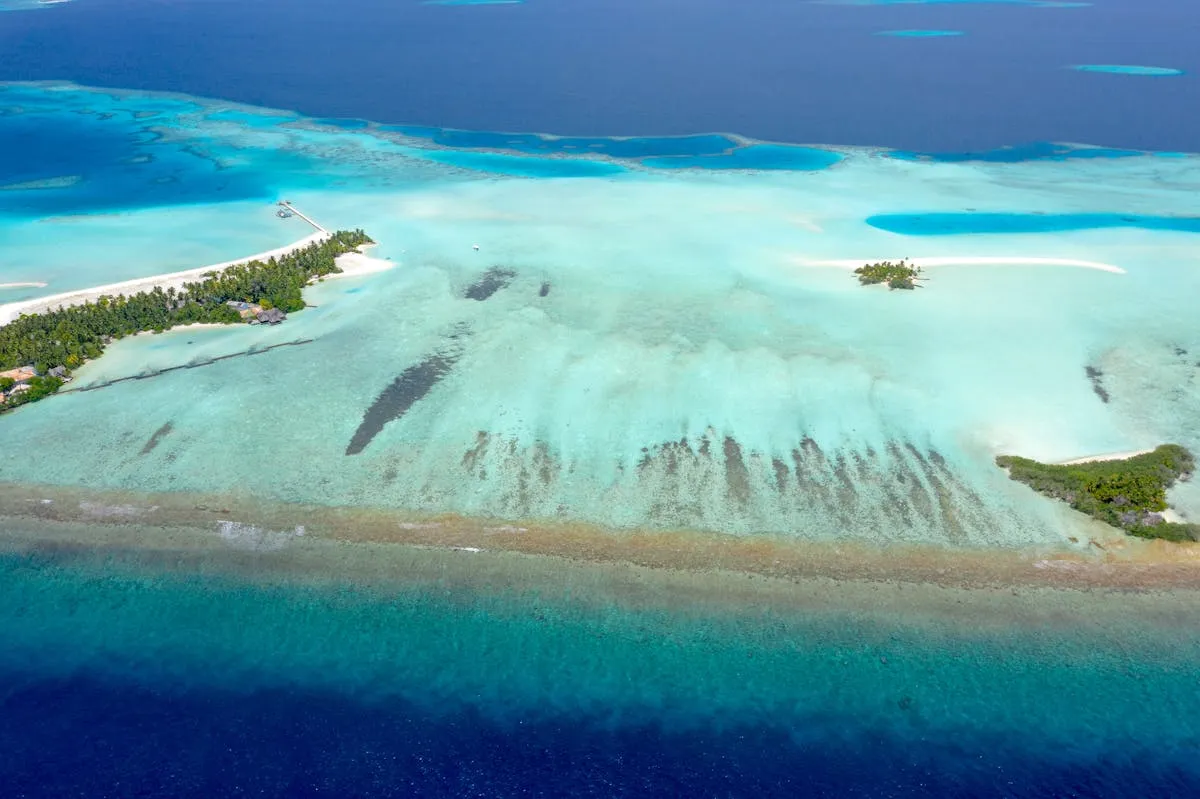
The atoll stretches roughly 69 kilometres from north to south and about 39 kilometres east to west at its widest point. It encompasses around 50 islands, of which approximately eight are inhabited by local communities, over 25 host tourist resorts, and the remainder are uninhabited sandbanks or picnic islands. The proximity to the international airport makes North Malé Atoll one of the most convenient places to visit in the Maldives, with most resort transfers taking between 15 minutes and one hour by speedboat.
Why Visit North Malé Atoll
There are few places in the Maldives that offer such a broad range of experiences within such a compact and accessible area. North Malé Atoll is where Maldivian tourism was born in 1972 when the first resort opened on Kurumba island, and the atoll has been at the forefront of the country's tourism industry ever since. Today, visitors can choose between ultra-luxury overwater villas at iconic resorts, budget-friendly guesthouses on local islands, or liveaboard surf charters cruising the outer reef breaks.
Surfers flock here between March and October for some of the best waves in South Asia. Cokes, Chickens, Jailbreaks, Sultans, and Honkeys are names whispered with reverence in surf circles worldwide. Divers explore legendary sites like Banana Reef, HP Reef, and Manta Point, where currents sweeping through channels between islands attract manta rays, reef sharks, and vast schools of pelagic fish. Meanwhile, travellers seeking cultural authenticity can explore local islands like Thulusdhoo, Himmafushi, and Huraa, where narrow sandy lanes lead past mosques, boat-building yards, and family-run guesthouses.
Local Islands and Guesthouse Tourism
Since the Maldivian government opened local islands to tourism through the guesthouse model in 2009, North Malé Atoll has become a hub for independent budget travel. Thulusdhoo is the most popular local island, drawing surfers to the world-famous Cokes break just offshore and charming visitors with its laid-back village atmosphere and quirky Coca-Cola factory. Himmafushi attracts wave riders to the reliable Jailbreaks break and has developed a lively guesthouse strip with cafes and dive shops. Huraa offers a quieter, more traditional Maldivian experience with its lacquerwork artisan heritage and proximity to resort island excursions. Gaafaru, the most remote inhabited island in the atoll, rewards adventurous visitors with healthy reefs and genuine solitude.
These local islands allow travellers to experience everyday Maldivian life that most resort guests never glimpse. You can eat short eats at a local "hotaa," join fishermen heading out at dawn, watch children playing football on the sandy streets at dusk, and arrange snorkelling and diving excursions at a fraction of resort prices. The growth in competition among guesthouses has steadily improved quality while keeping nightly rates remarkably affordable, often between 40 and 80 US dollars including meals.
Marine Life and Coral Reefs
The channels between islands in North Malé Atoll generate strong tidal currents that funnel nutrients through the reef system, creating a rich feeding ground for marine life at every level of the food chain. Banana Reef, one of the first dive sites ever explored in the Maldives, remains a favourite for its dramatic overhangs, caves, and abundance of reef fish. HP Reef, also known as Rainbow Reef, dazzles divers with soft corals in vivid purples, oranges, and pinks, along with regular sightings of white-tip reef sharks and eagle rays gliding along the reef walls.
Manta Point, situated in a channel near Lankanfinolhu, is one of the most reliable spots in the atoll to encounter reef manta rays, particularly during the southwest monsoon from May to November when plankton blooms attract these gentle giants to cleaning stations along the reef. Snorkellers staying on local islands or at resorts can explore house reefs teeming with parrotfish, butterflyfish, moray eels, and the occasional hawksbill turtle grazing on coral.
Explore North Malé Atoll Guides
Things to Do
Surfing, diving, resort visits, island hopping, and water sports across the atoll.
How to Get There
Speedboat transfers, public ferries, and getting around the closest atoll to the airport.
Islands
Thulusdhoo, Himmafushi, Huraa, Gaafaru, and the resort islands of North Malé.
Surfing
Cokes, Chickens, Jailbreaks, Sultans, Honkeys - the best waves in the Maldives.
Snorkeling
Banana Reef, HP Reef, house reefs, and the best spots for underwater exploration.