 Maldives Compass
Natural Beach Stretches
Gaafaru's beaches are entirely natural and untouched by the landscaping that shapes resort coastlines. The island's shoreline varies from stretches of fine white sand to areas of coral rubble and rock, reflecting the dynamic interaction between ocean currents, storms, and the massive reef that supports the island. The southern and western sides of the island tend to have the sandiest beaches, with gentle slopes into the lagoon that make for pleasant walking and wading. These beaches see virtually no tourist traffic - on most days, the only footprints in the sand will be those of island residents going about their daily business and the occasional seabird. The sense of isolation and natural beauty is striking, especially for visitors accustomed to the manicured beaches of resort islands.
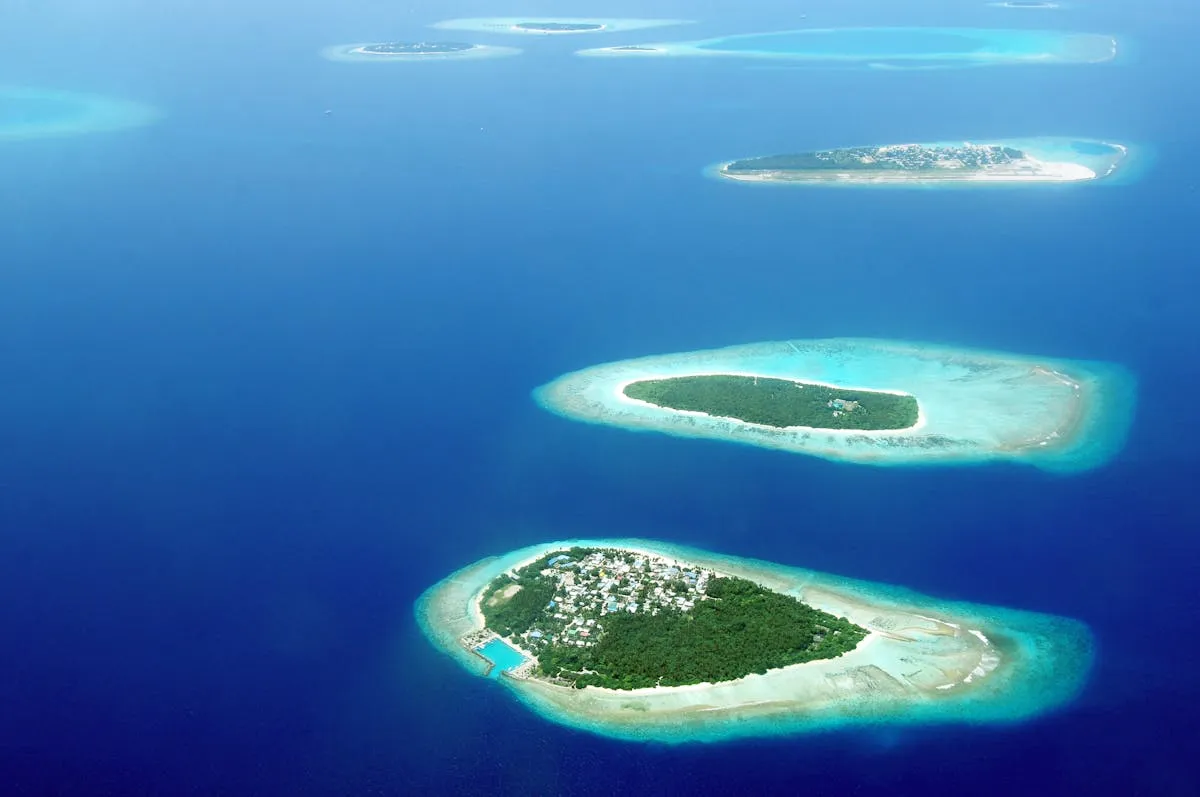
The Reef Flat
One of Gaafaru's most distinctive features is its extensive reef flat, which stretches for hundreds of metres from the shore at low tide. Walking on the reef flat is a mesmerising experience - shallow pools trapped between coral formations contain miniature ecosystems of tiny fish, sea cucumbers, starfish, and delicate corals. The reef flat on Gaafaru is broader and more expansive than on most Maldivian islands due to the sheer size of the underlying reef platform. At the outer edge, where the flat drops away to deeper water, waves break and spray rises, creating a constant reminder of the ocean's power. Sturdy reef shoes are essential for reef flat walks, as the surface can be sharp and uneven.
Swimming and Safety
Swimming on Gaafaru requires more care than on sheltered inner-atoll islands. The island's exposed position means that currents can be strong, particularly along the northern and western shores where the reef meets open ocean. The safest swimming is in the lagoon on the sheltered side of the island during calm conditions, where the water is shallow and clear. There is no formal bikini beach on Gaafaru, and given the island's conservative character, modest swimwear is expected in all beach areas unless your guesthouse advises otherwise. High tide is the best time for swimming, when the water is deep enough to enjoy without scraping coral and the currents are typically at their weakest. Always consult with your guesthouse about safe swimming areas and current conditions before heading into the water.