 Maldives Compass
Garudhiya
Garudhiya is the traditional Maldivian fish broth - a clear, aromatic soup made from fresh tuna, curry leaves, and chili. Learn how it is made, served, and why it is the everyday staple of island life.
Mas riha - chunks of fresh tuna or reef fish simmered in coconut milk with aromatic spices, curry leaves, and pandan - is the dish that feeds the Maldives day in and day out.
If garudhiya is the simplest expression of fish and water, then mas riha (fish curry) is its richer, more complex cousin. This is the dish that appears on Maldivian tables more than any other - a warmly spiced coconut milk curry with chunks of fish that is eaten with rice, roshi, or both. It is comfort food in the truest sense, made daily in homes across the archipelago.
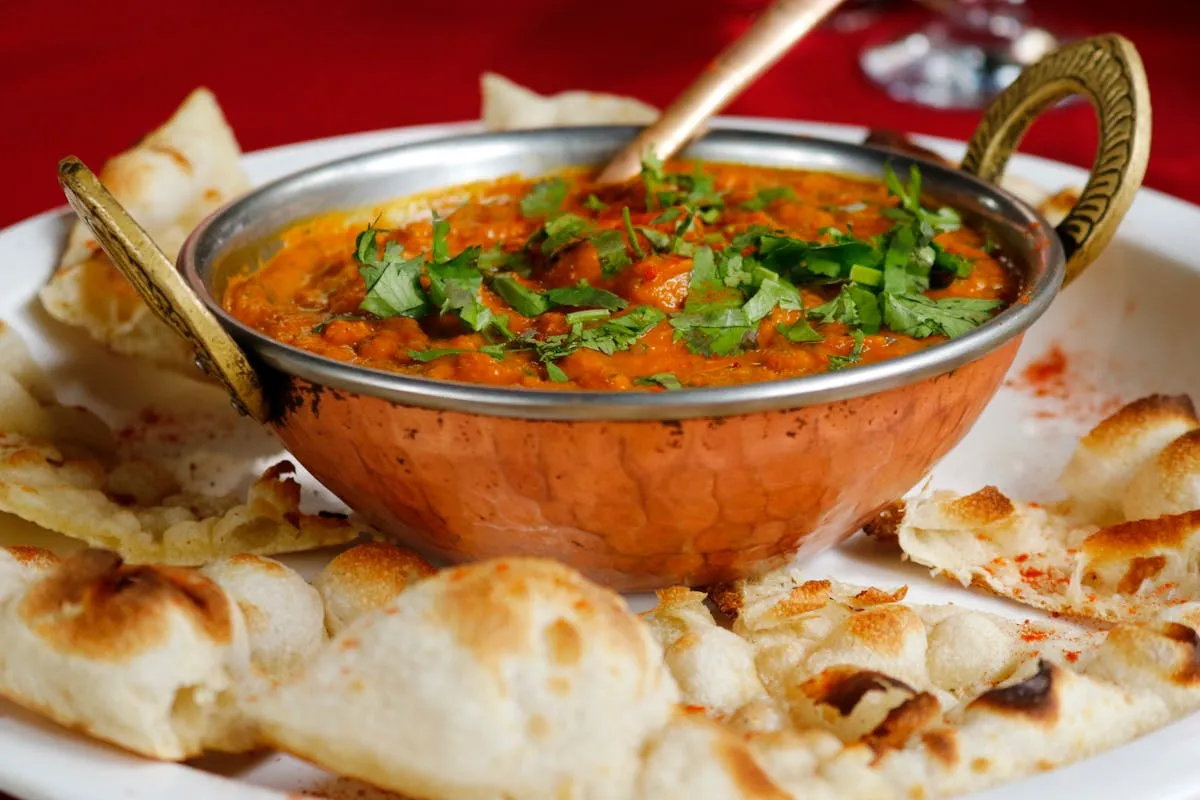
The curry is built on a base of coconut milk, havaadhu spice paste, and aromatics - a combination that creates a sauce that is creamy, fragrant, and satisfying without being heavy. The fish, added towards the end of cooking, stays firm and absorbs just enough of the surrounding flavours to become something greater than the sum of its parts.
A typical Maldivian fish curry uses the following ingredients:
The method begins with frying onion, garlic, and curry leaves in oil until fragrant. The havaadhu paste is added and cooked briefly, then coconut milk is poured in and brought to a gentle simmer. The fish chunks are added and cooked until just done - typically 10 to 15 minutes. The curry should not be boiled vigorously, as this can break up the fish and make the coconut milk split.
While the basic formula of fish, coconut milk, and spice is consistent across the Maldives, subtle variations exist from atoll to atoll and family to family. Southern atolls tend to use more chili, creating a hotter curry. Some islands add tamarind or lime juice for acidity. The thickness of the curry varies too - some families prefer a thin, soupy consistency, while others cook the curry down to a thicker, more concentrated sauce.
The choice of fish also varies by location and season. Coastal communities with access to reef fishing may use snapper, grouper, or other reef species. Tuna is universal, but the cut and preparation can differ - some cooks use fresh tuna steaks, while others prefer previously dried and rehydrated fish for a more intense flavour.
Fish curry is typically served as part of the main meal at lunch or dinner. The traditional way to eat it is with steamed white rice, spooning the curry over the rice and eating with your right hand. Roshi may also accompany the meal, used to scoop up the sauce. Side dishes might include a simple salad of onion, chili, and lime, or a small portion of rihaakuru.
At guesthouses and local restaurants, fish curry is often the centrepiece of the meal - the dish around which everything else revolves. At resorts, it may appear on Maldivian-themed buffet nights or as part of a set menu showcasing local cuisine.
Maldivian fish curry shares some DNA with the fish curries of Sri Lanka and South India, but it has its own distinct character. The differences come down to the spice blend (havaadhu is less complex than many Sri Lankan curry powders), the type of fish (tuna dominates in the Maldives, whereas Sri Lankan curries often use mackerel or sardines), and the overall approach. Maldivian curries tend to be less fiery than their Sri Lankan counterparts and less oil-heavy than many South Indian preparations.
The result is a curry that is clean-tasting and aromatic - the flavour of good fish comes through clearly, supported but not overwhelmed by the spice and coconut. It is this clarity and balance that makes mas riha so endlessly repeatable as a daily staple.